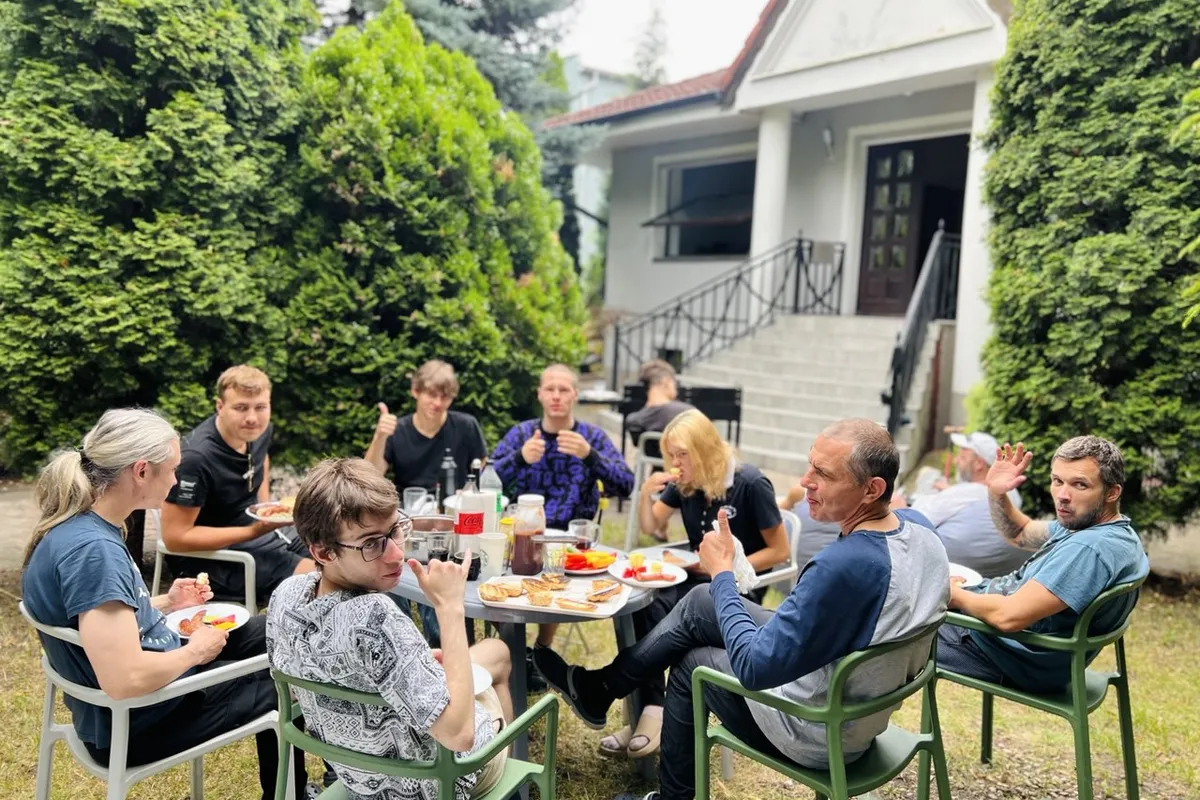

Rehabilitation is more than just therapy and consultations. Where a person sleeps, eats, rests, socialises, and recuperates is of great importance. Therefore, the living conditions at Renessans are organised so that daily life does not hinder treatment, but supports it.
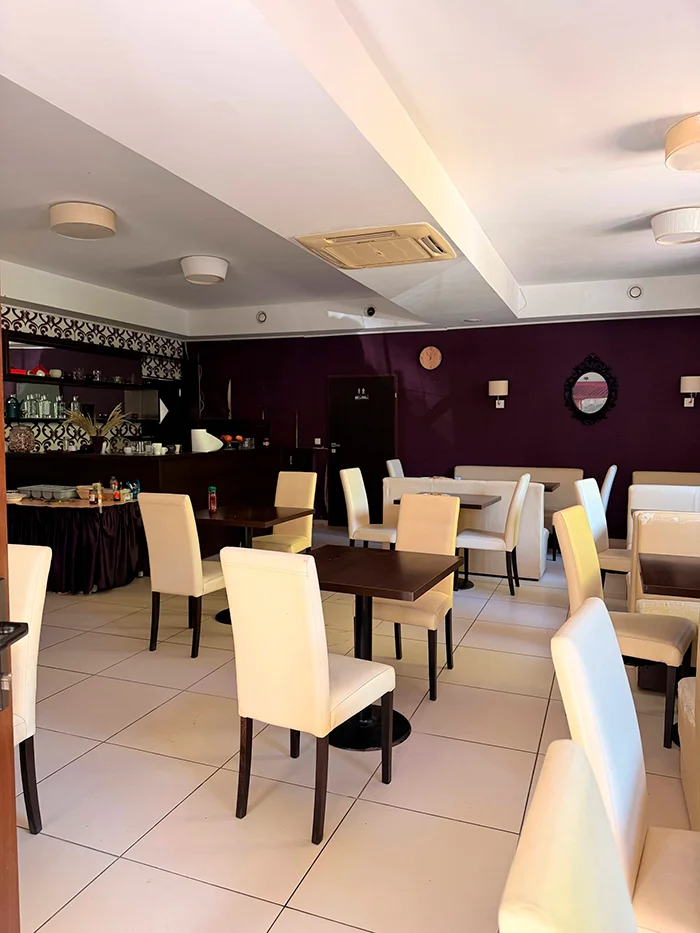
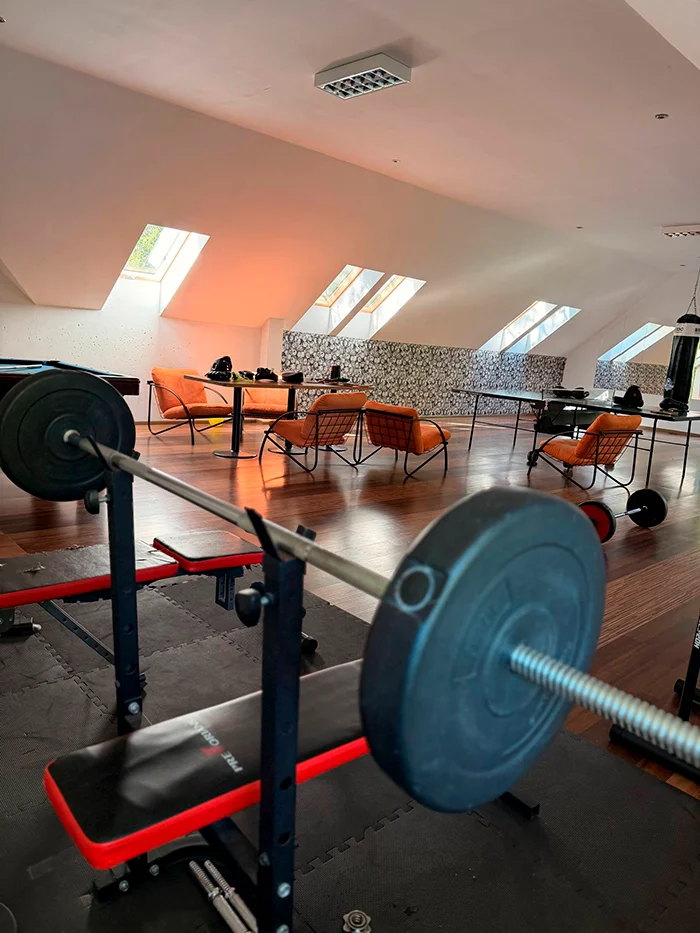
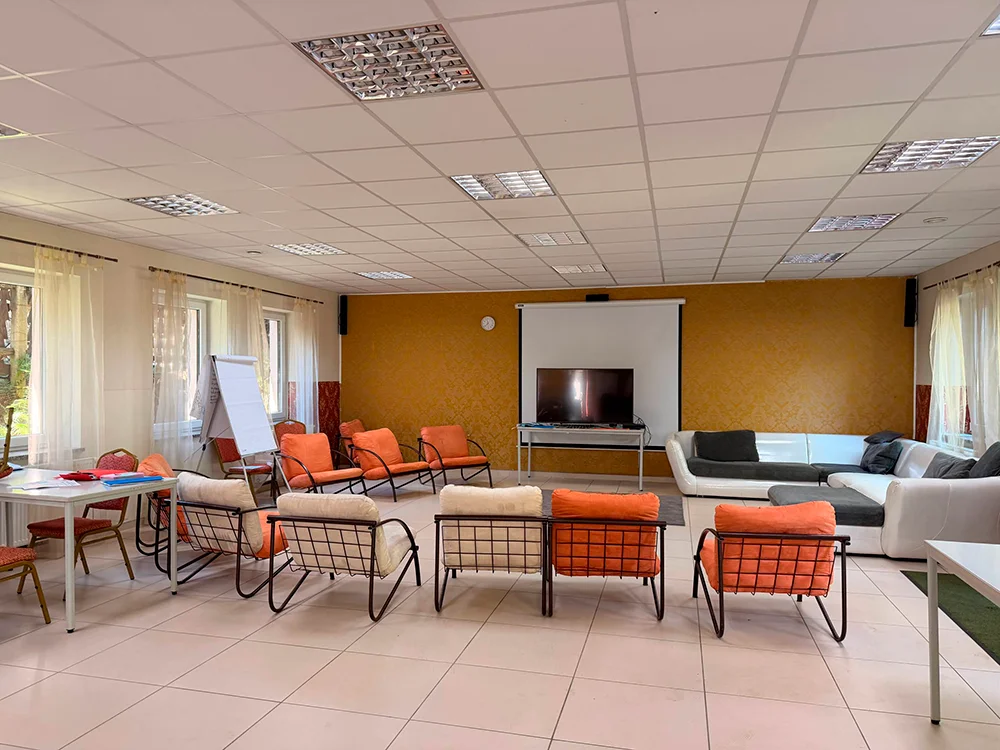
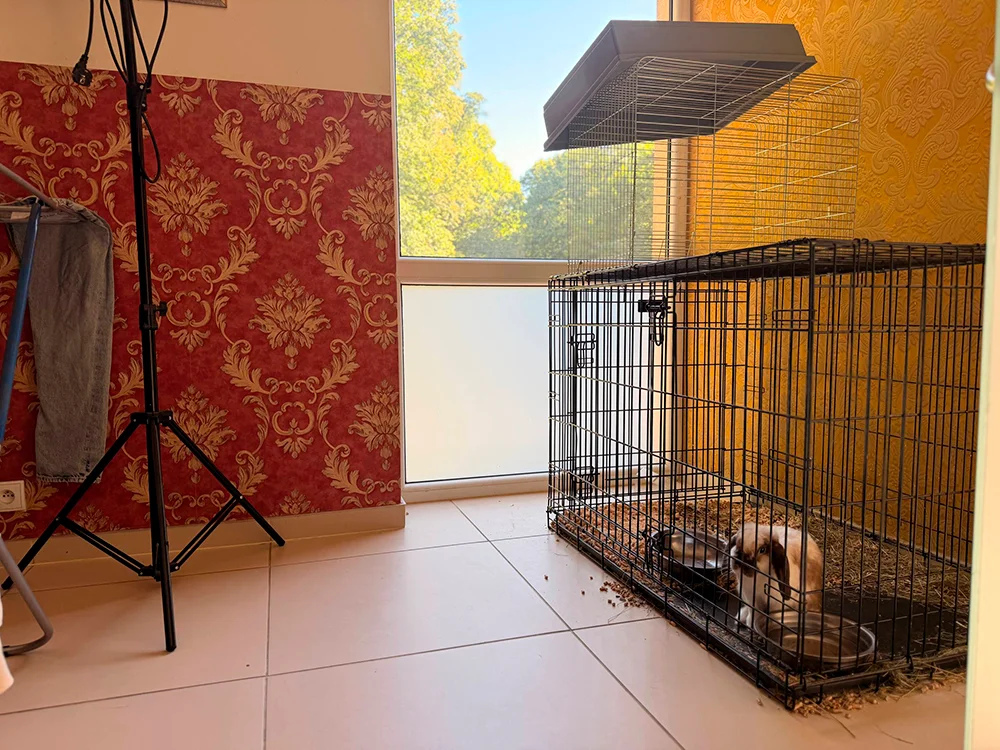
Patients reside in comfortable twin rooms furnished with personal space and everything necessary for a peaceful stay. This format helps prevent isolation while still maintaining personal boundaries.
The centre provides regular, full board meals three times a day. For someone with an addiction, this is an important part of recovery: addiction often destroys sleep, appetite, routine, the habit of self-care, and the ability to perform simple daily tasks.
The centre maintains cleanliness, order, and regular tidying. A stable living environment helps the patient gradually return to a normal rhythm of life: getting up on time, keeping to a routine, participating in the programme, and feeling safe.
When treating addiction, not only the programme itself is important, but also the environment a person is in every day. Safe living helps to reduce the risk of relapse, restore routine, and focus on therapy. Addiction is often linked to familiar surroundings: conflicts, stress, loneliness, access to substances, broken relationships, or constant triggers. When a person enters a calm and structured environment, they have the opportunity to pause, stabilise, and begin working on the causes of their addiction.
In residential rehabilitation, a person temporarily breaks free from a destructive cycle. This is especially important in the initial weeks of treatment when cravings, anxiety, emotional fluctuations, and old habits can be intense.
A clear routine helps to restore basic skills: sleep, nutrition, responsibility, participation in activities, personal hygiene, and respect for rules. For an addicted person, this is not a trivial matter, but part of returning to a stable life.
At Renessans, the patient is not alone with their problem. Specialists and people who understand that addiction is not a weakness of character, but a complex condition requiring help, patience and systematic work, are by their side.
The patient's day is built around recovery: routine, nutrition, a therapeutic programme, rest, social interaction, personal time, and a gradual return to responsibility. Living at the centre is linked to the rehabilitation programme. There is no chaotic, «off-plan» stay here. Each day helps the patient strengthen their inner resilience and gradually form a new, addiction-free lifestyle.
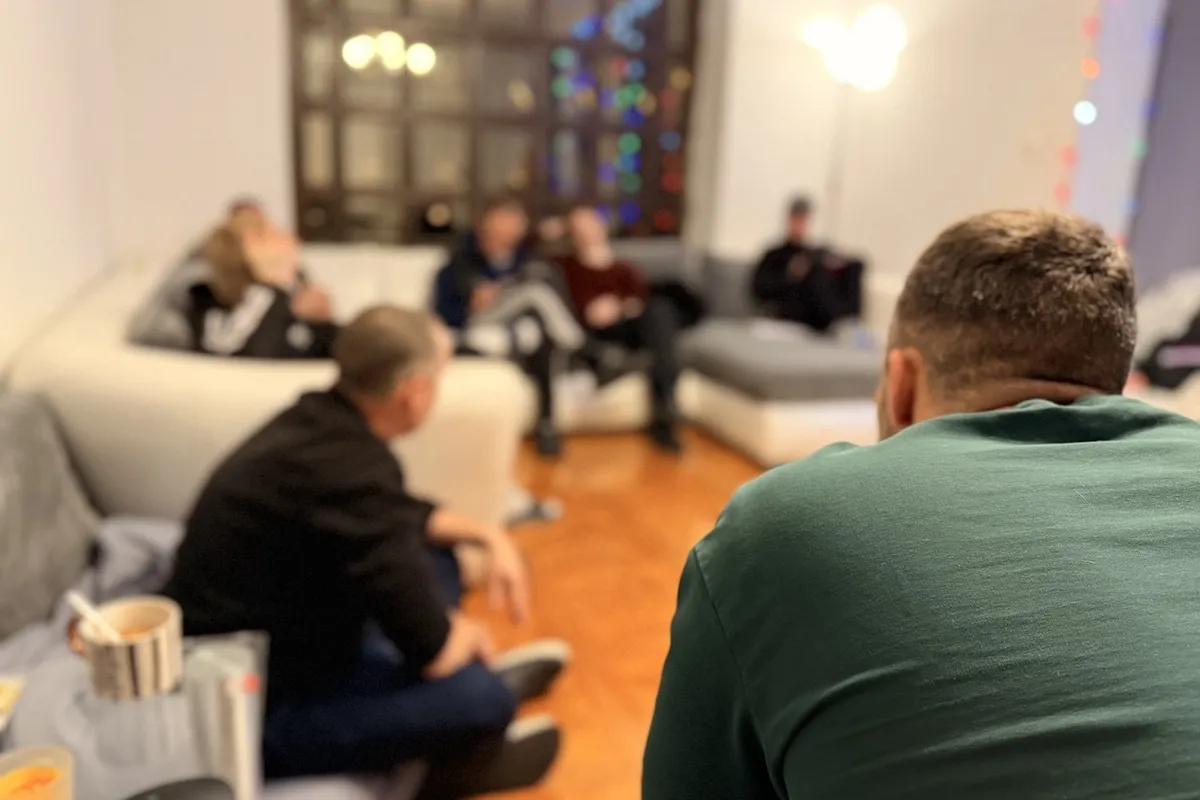
The patient is participating in a therapeutic programme: individual work, group sessions, discussions, assignments, and recovery practices. The goal is not just to stop using, but to understand what emotions, traumas, habits, and reactions were supporting the addictive pattern.
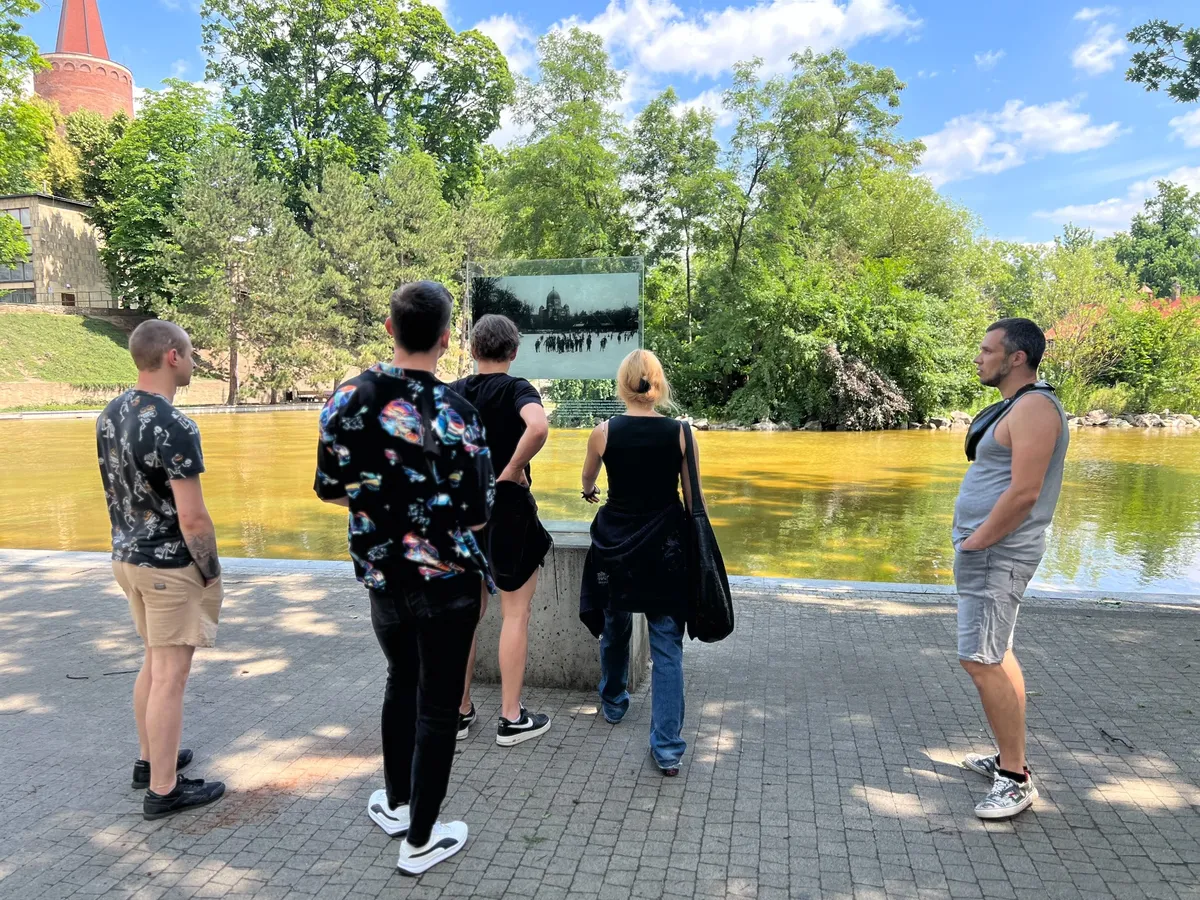
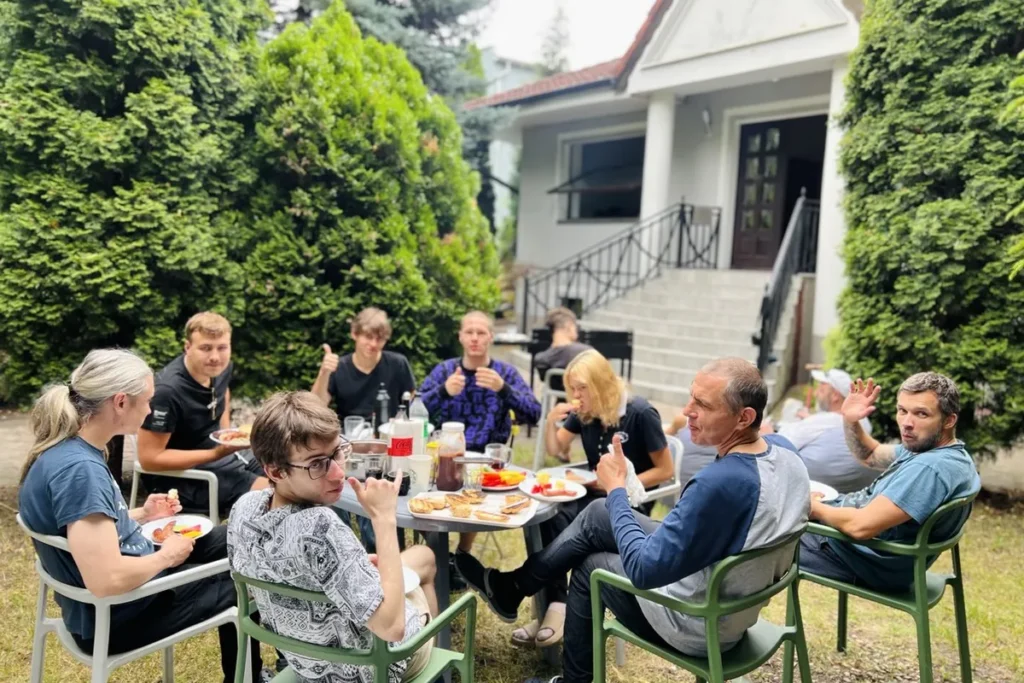
The centre's grounds offer space for relaxation, walks and quiet socialising. The green surroundings, fresh air and the chance to escape a stressful city or home environment help to reduce stress levels.
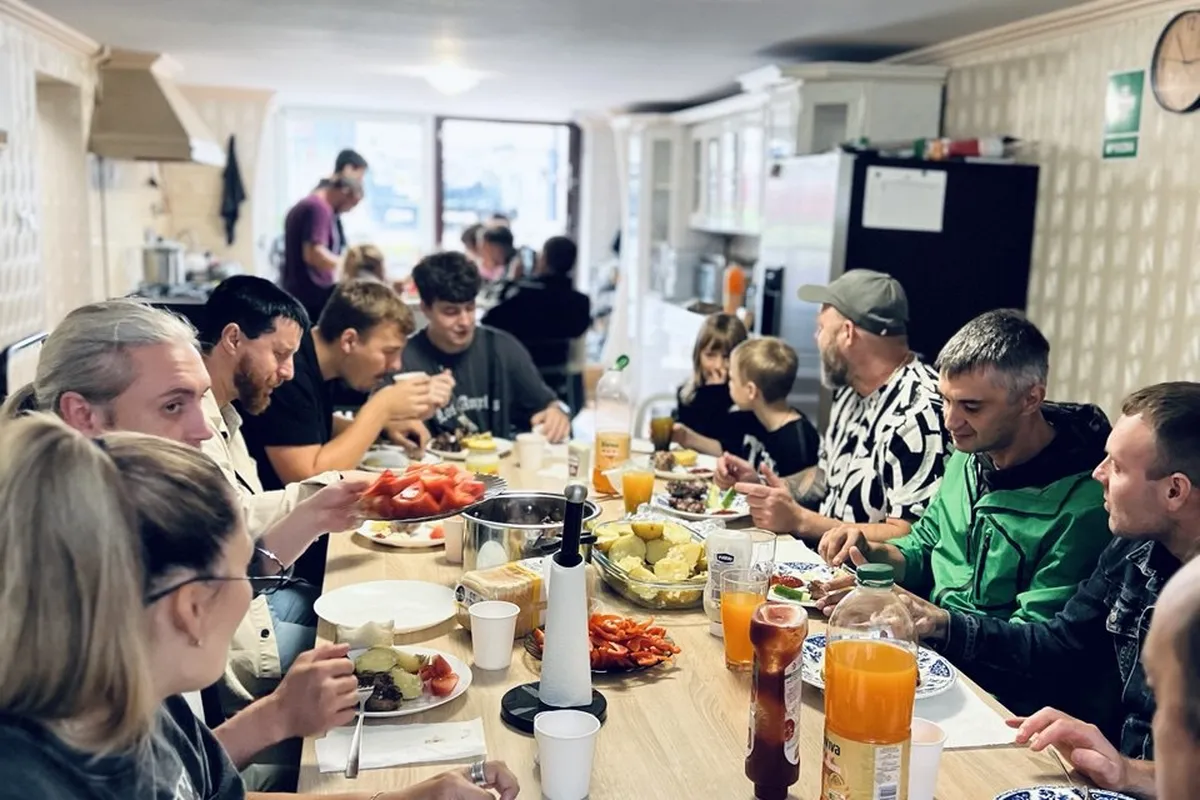
Shared meals, conversations, participation in daily life, and group activities help the patient gradually regain trust in people. This is an important part of treatment, as addiction often leads to isolation, conflict, and the loss of social connections.
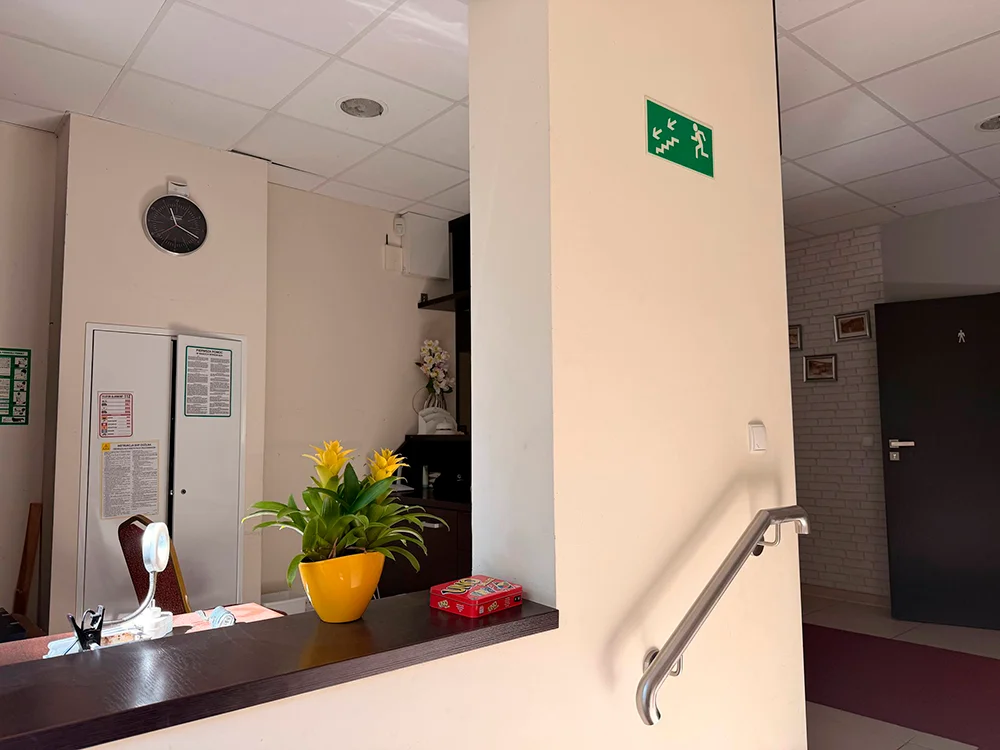
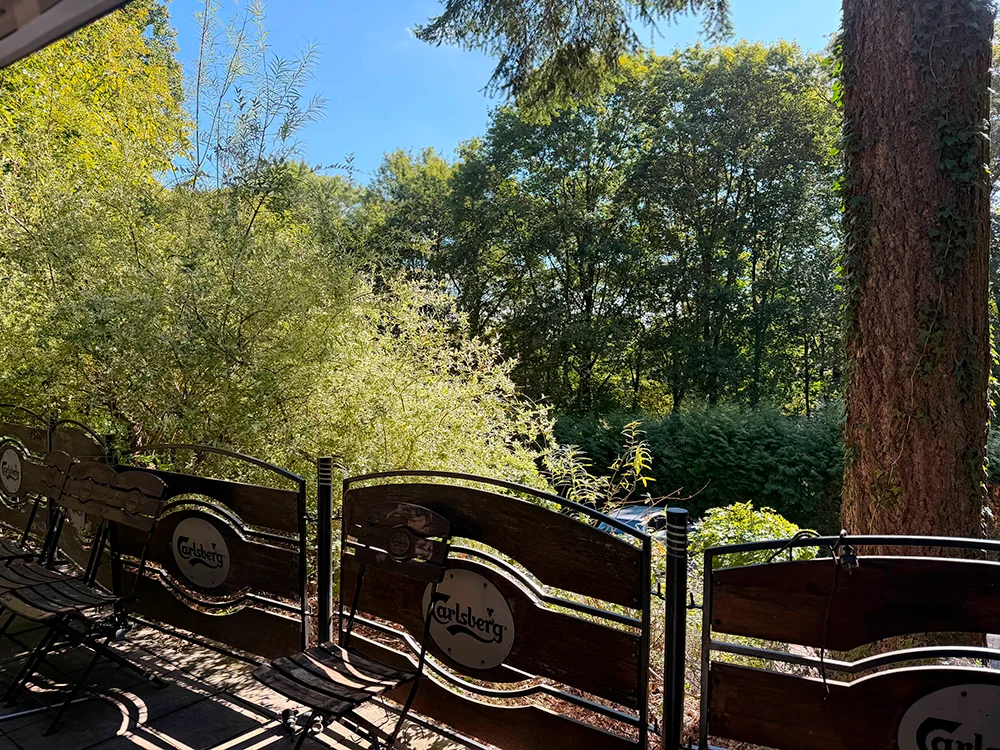
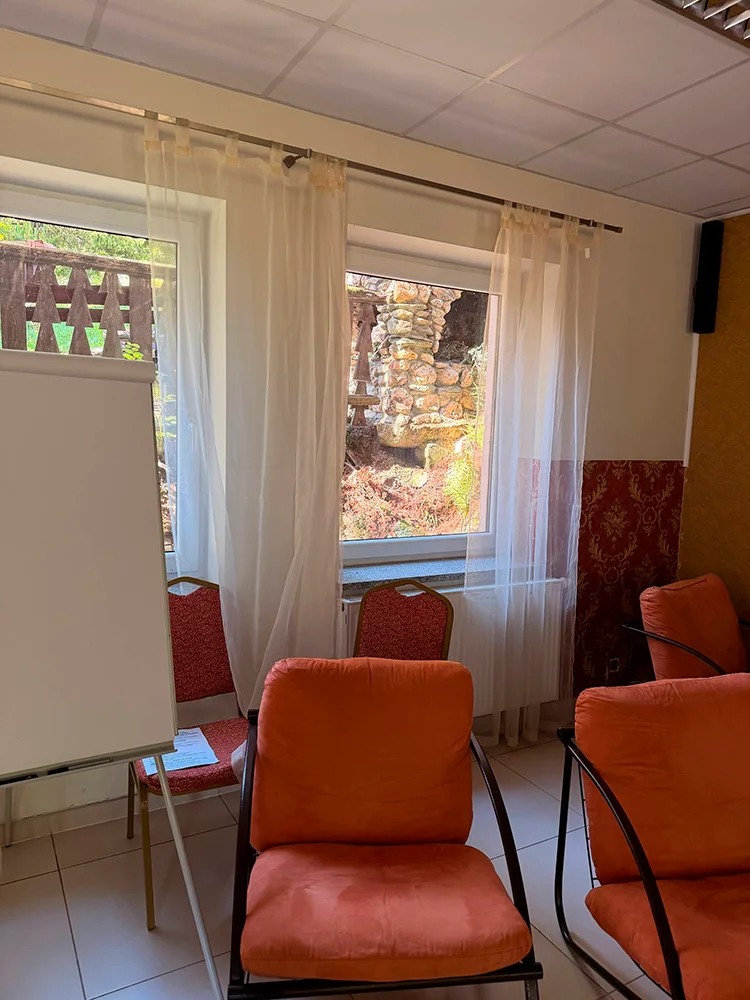
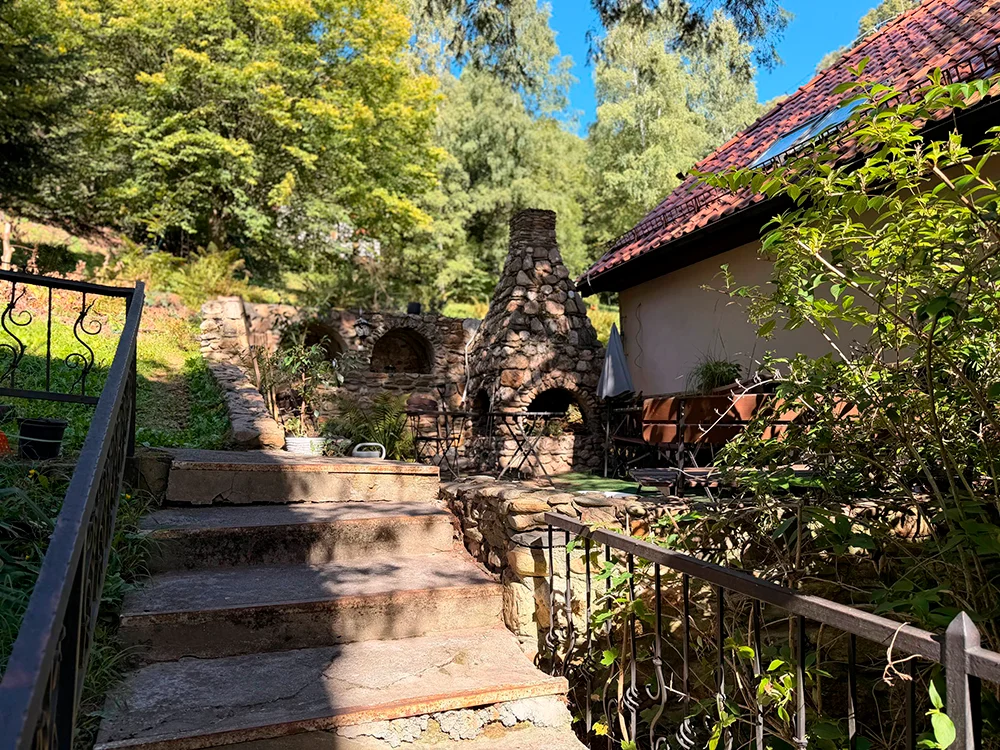
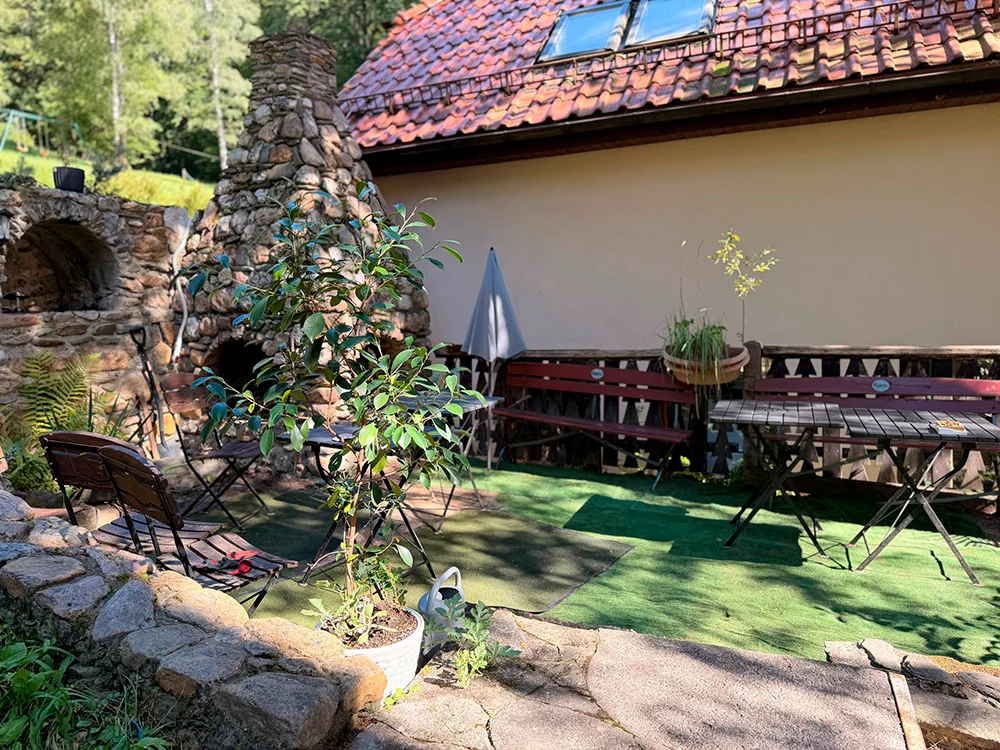
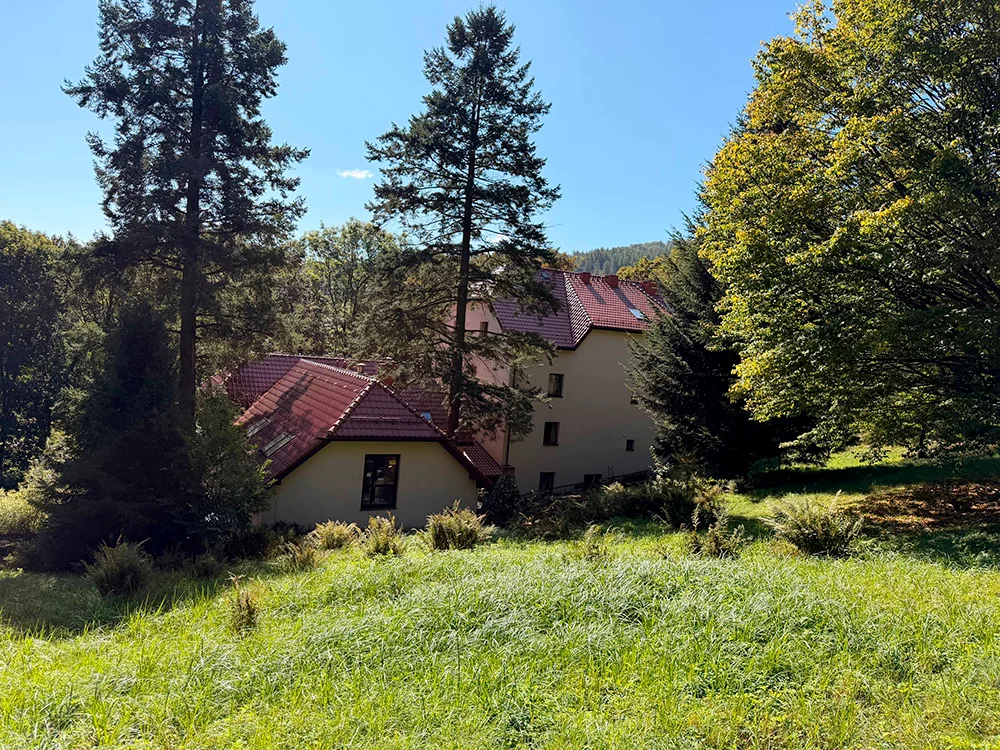
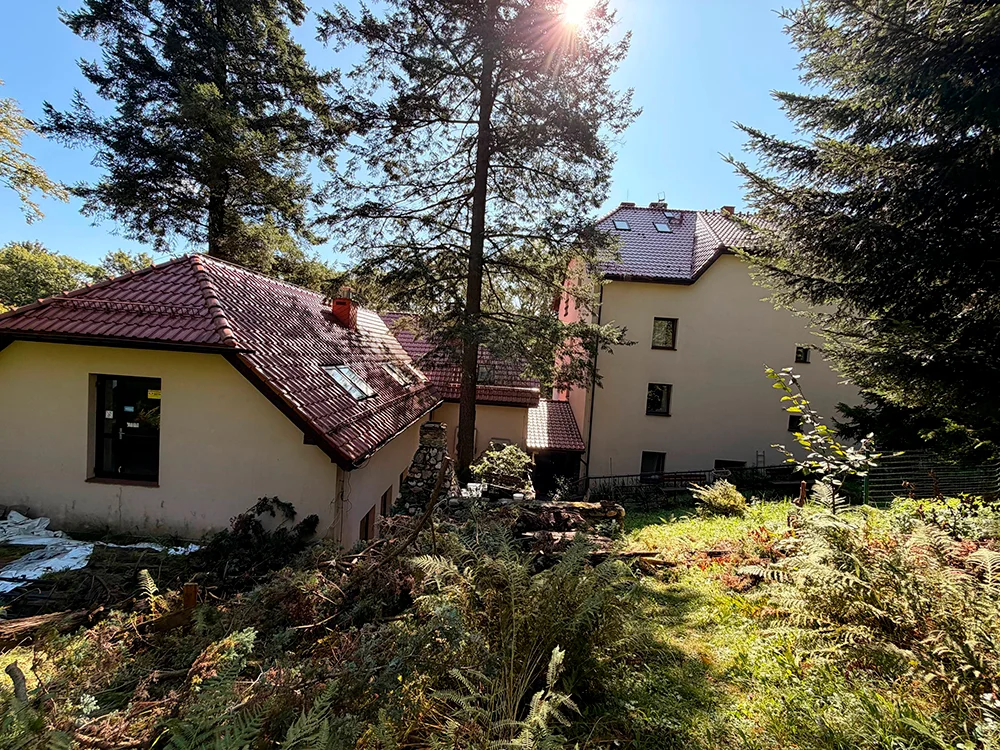
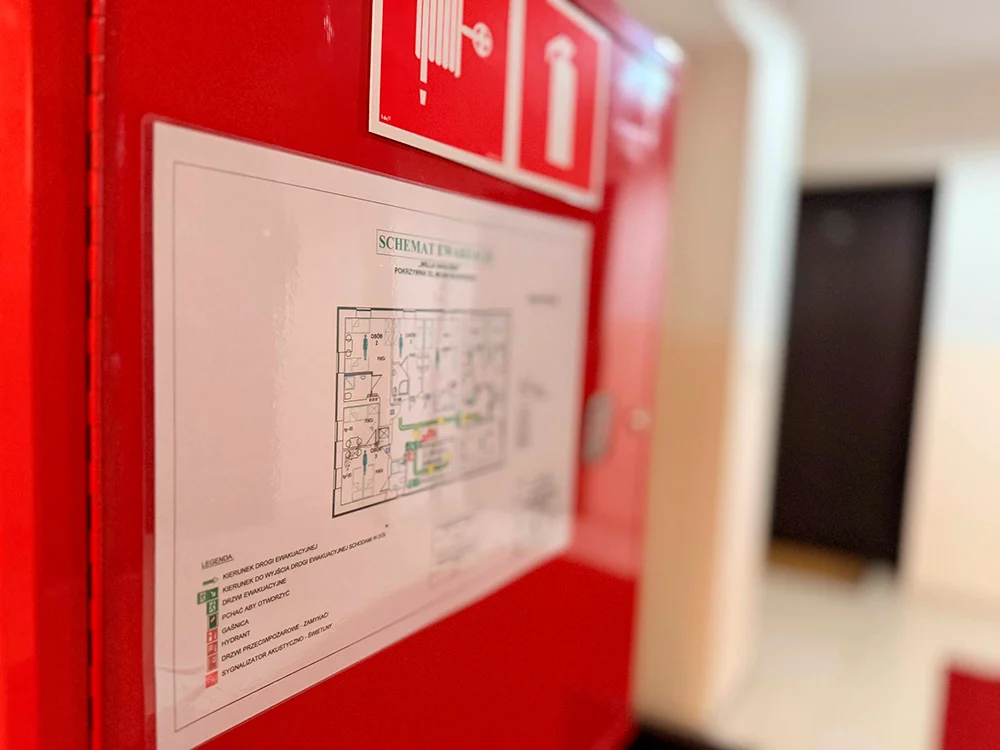
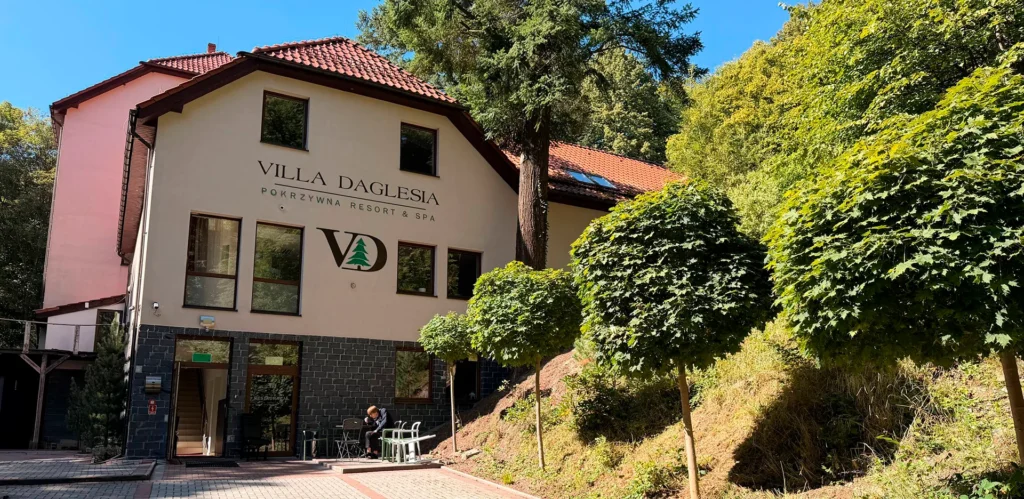
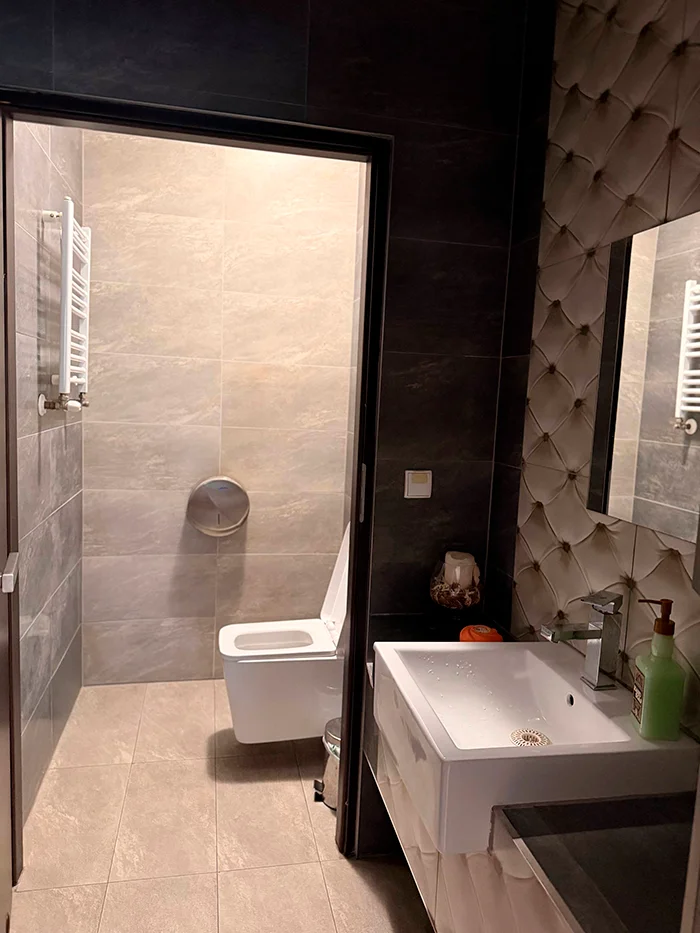
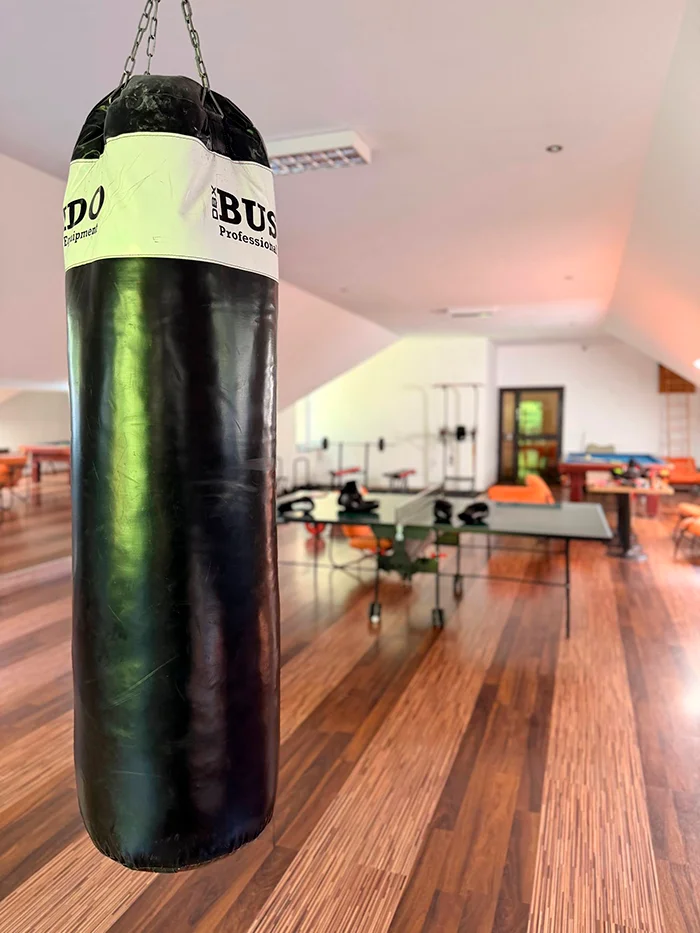
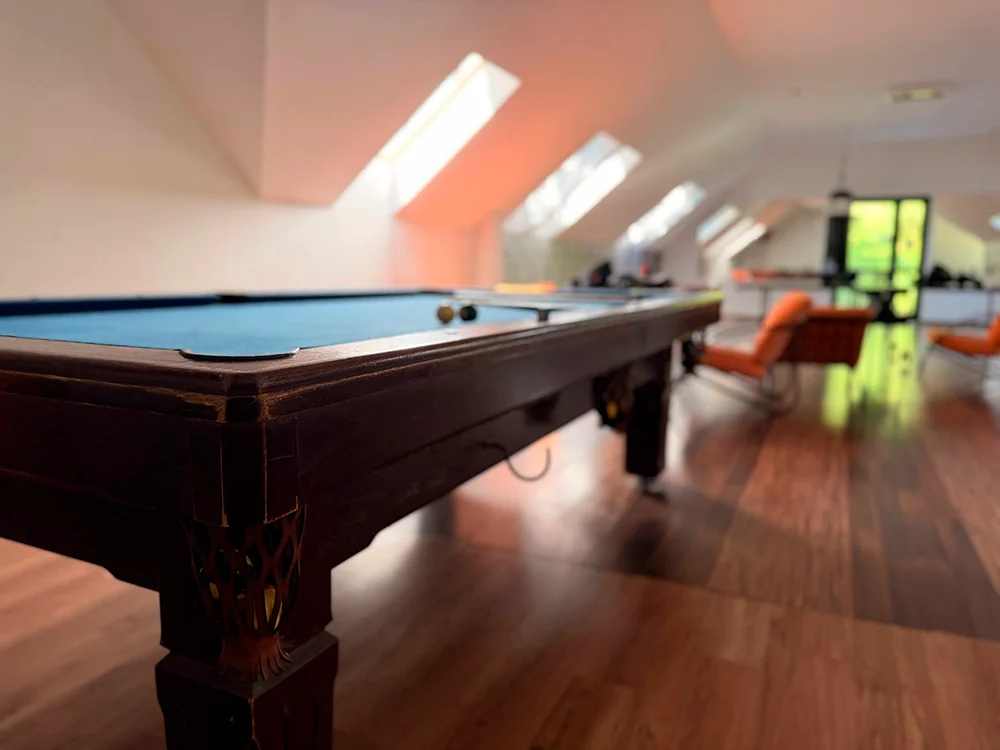
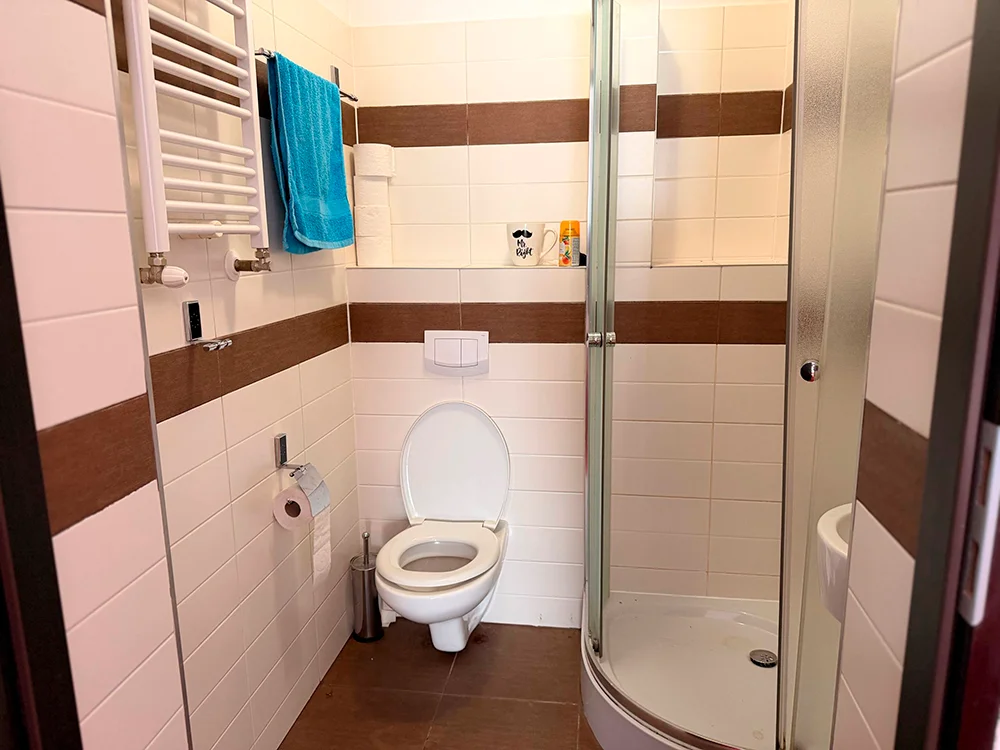
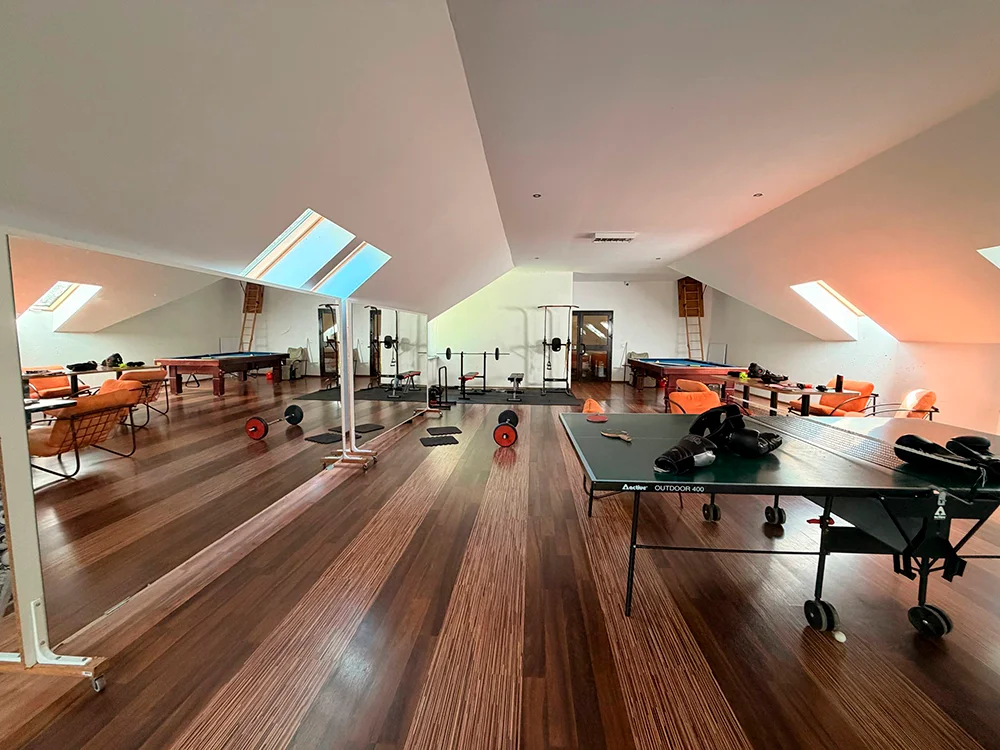
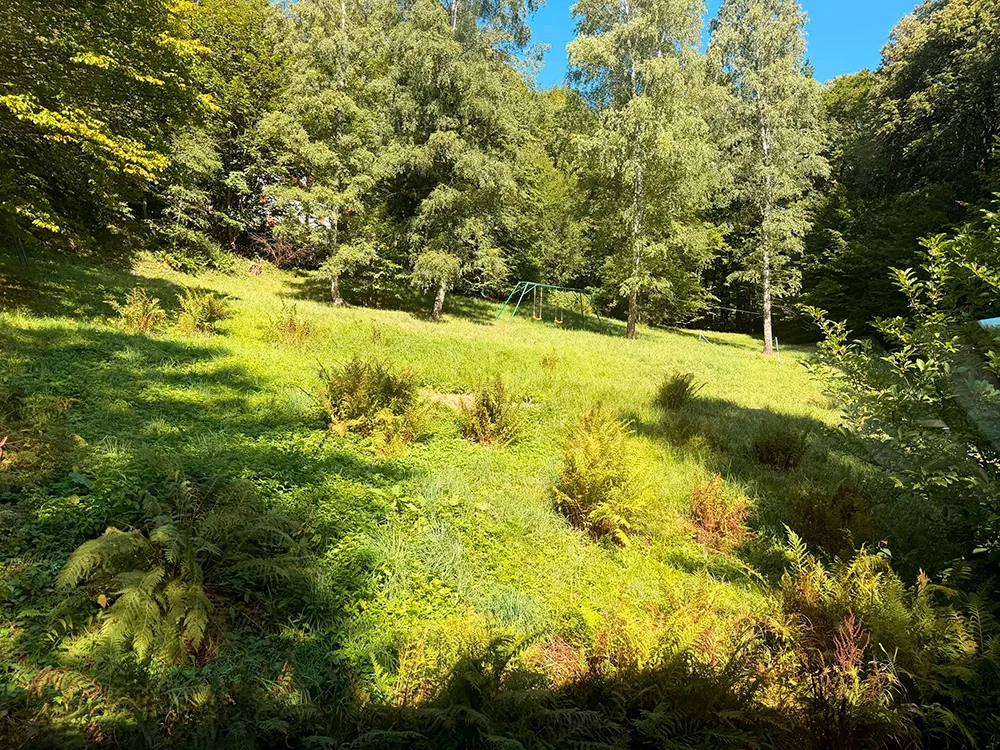
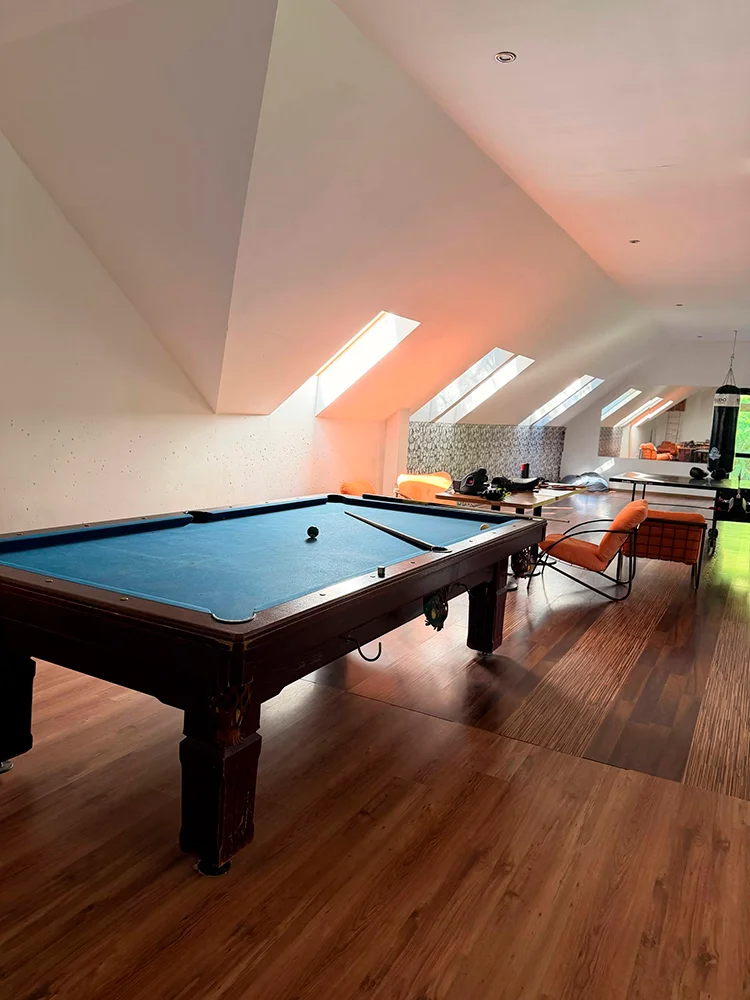
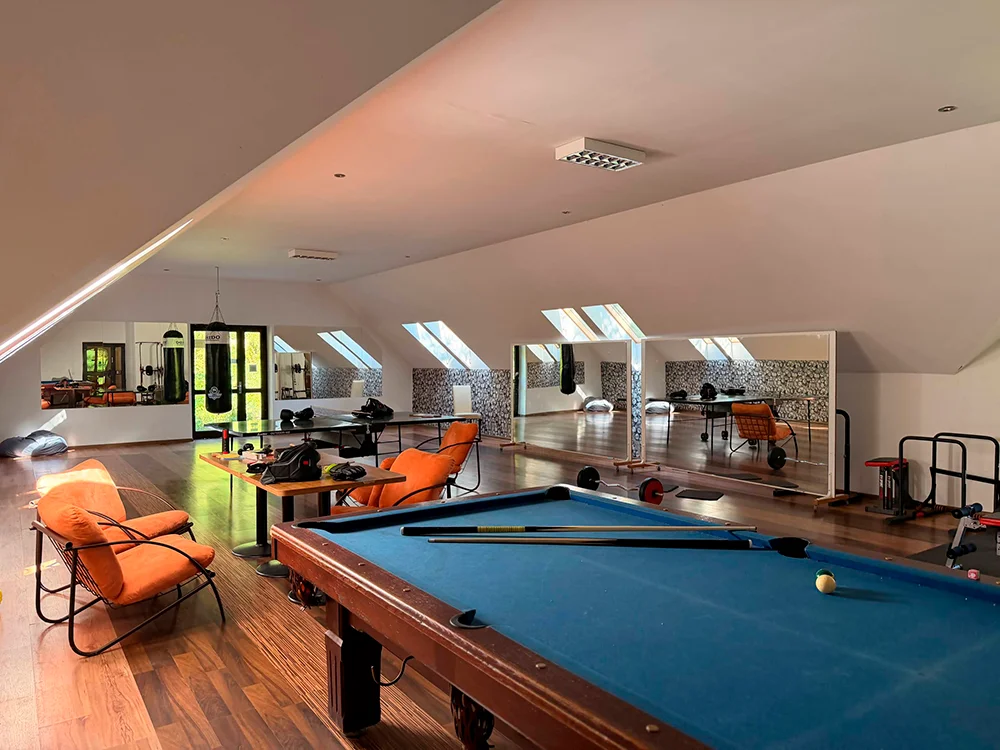
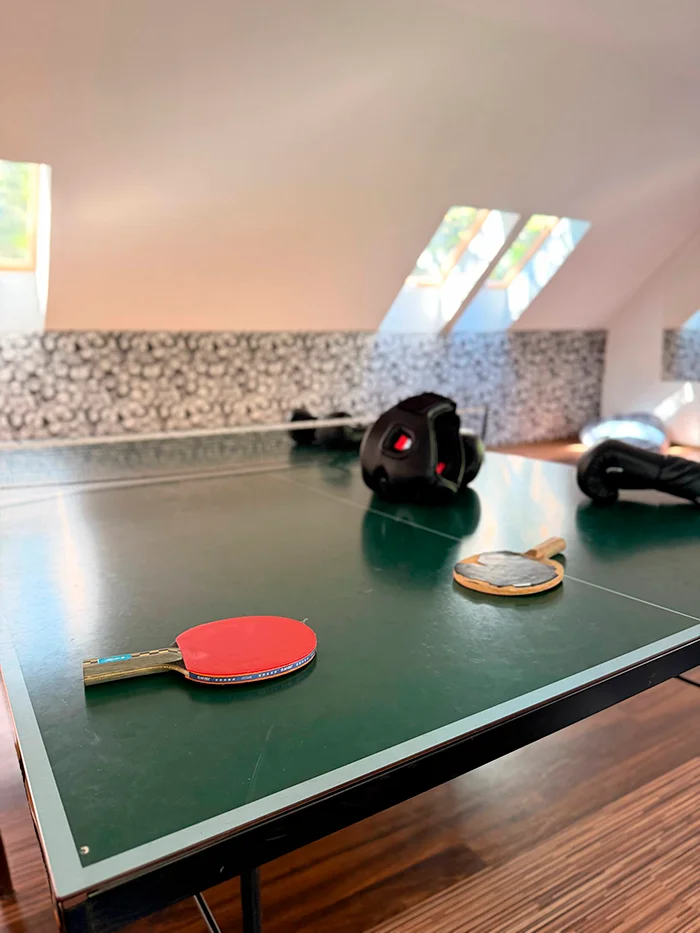
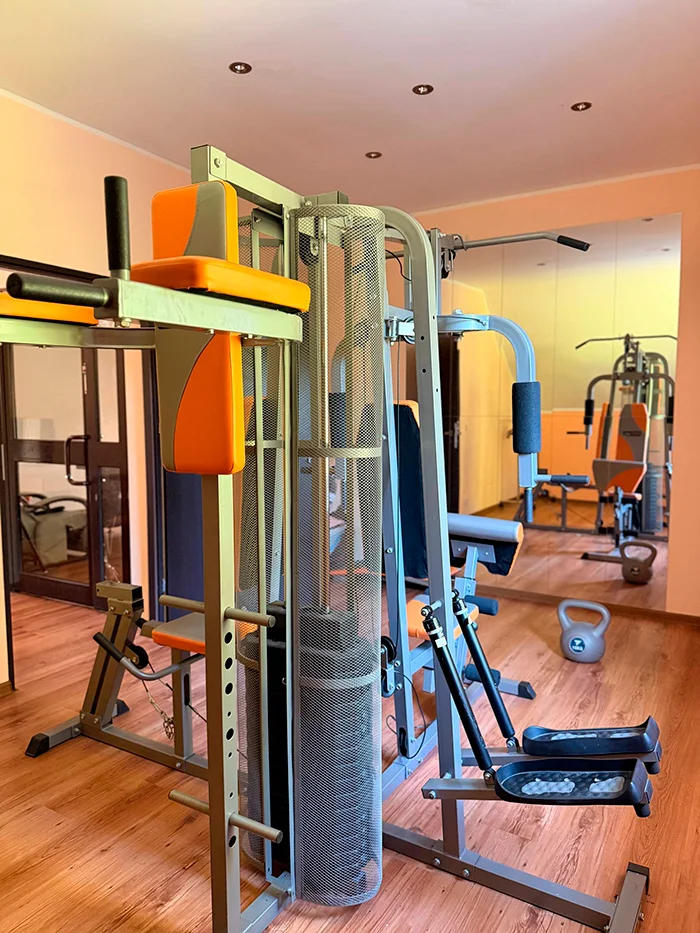
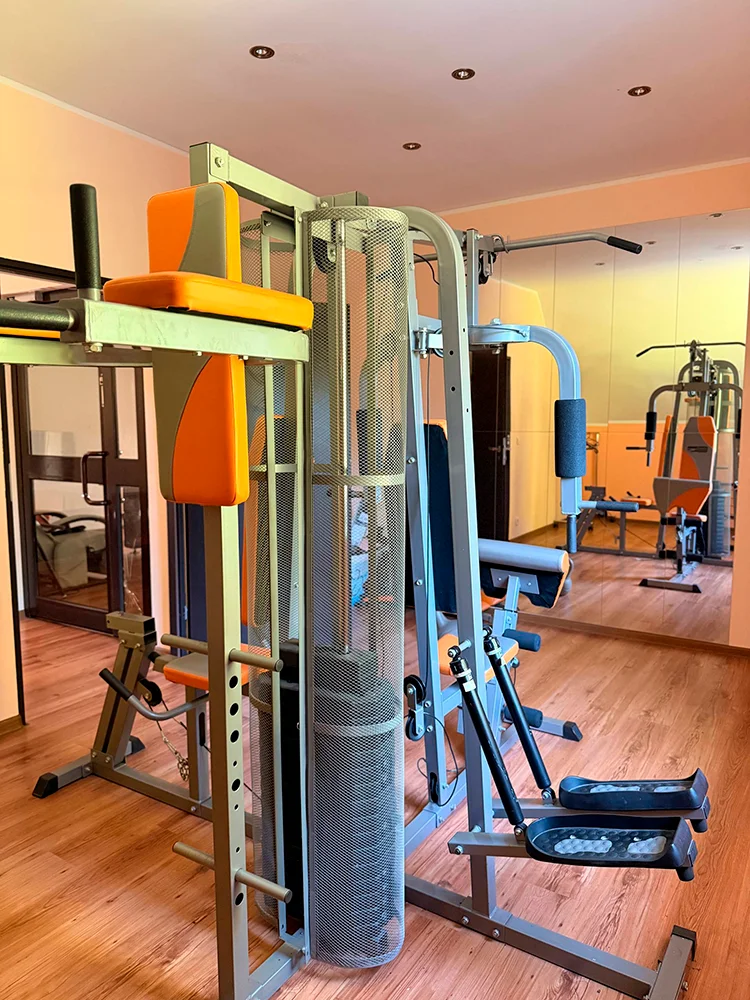
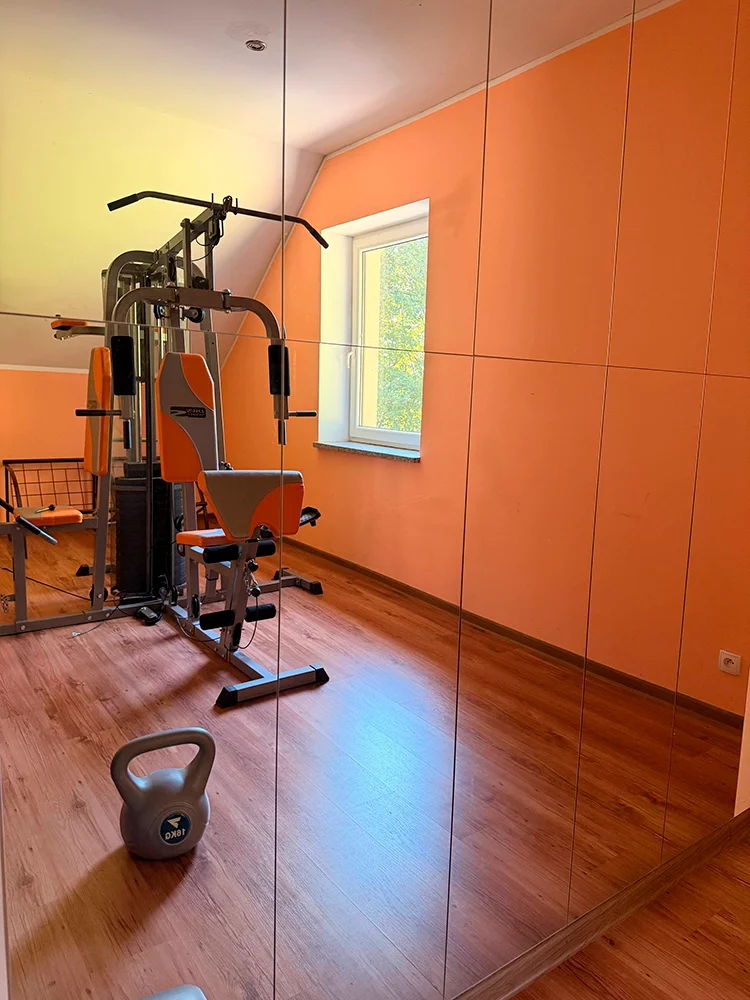
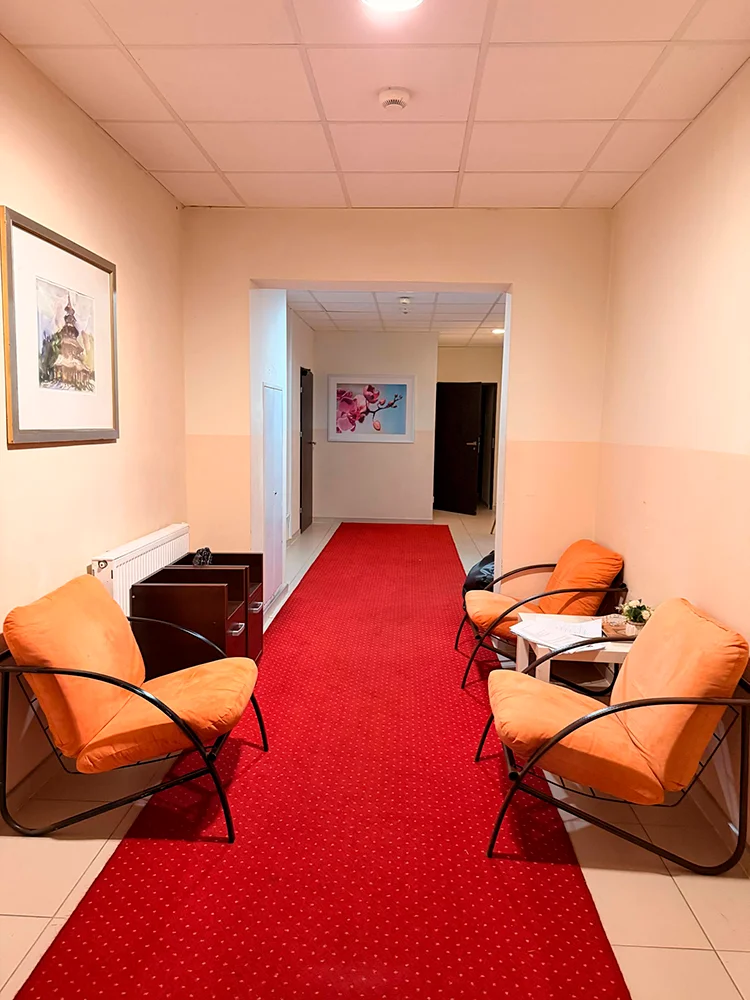
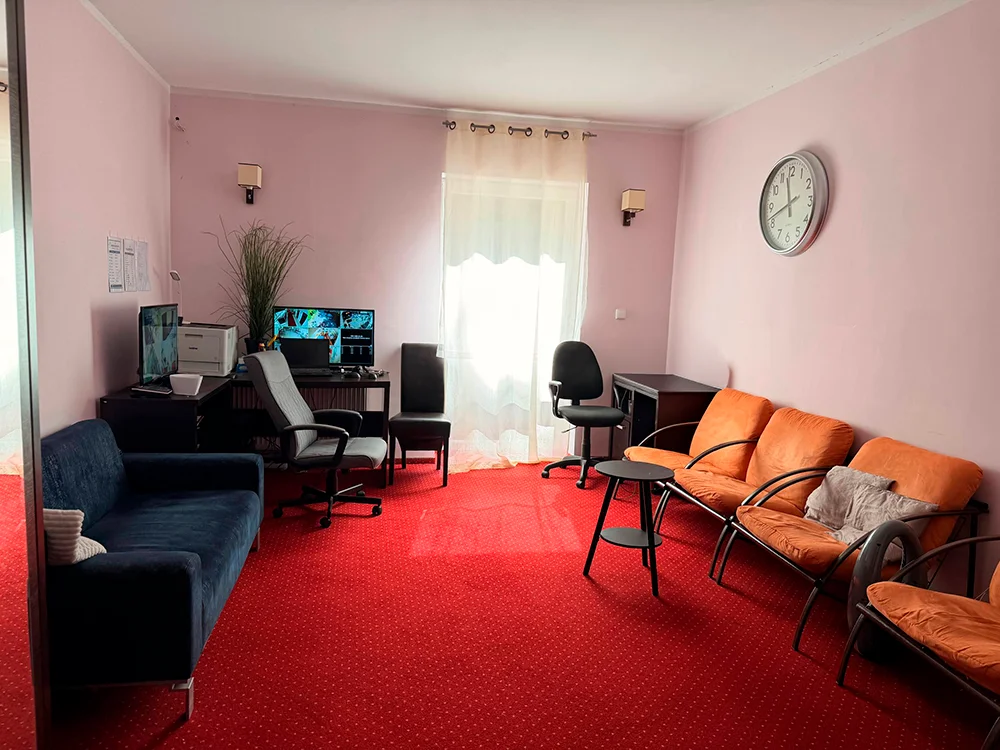
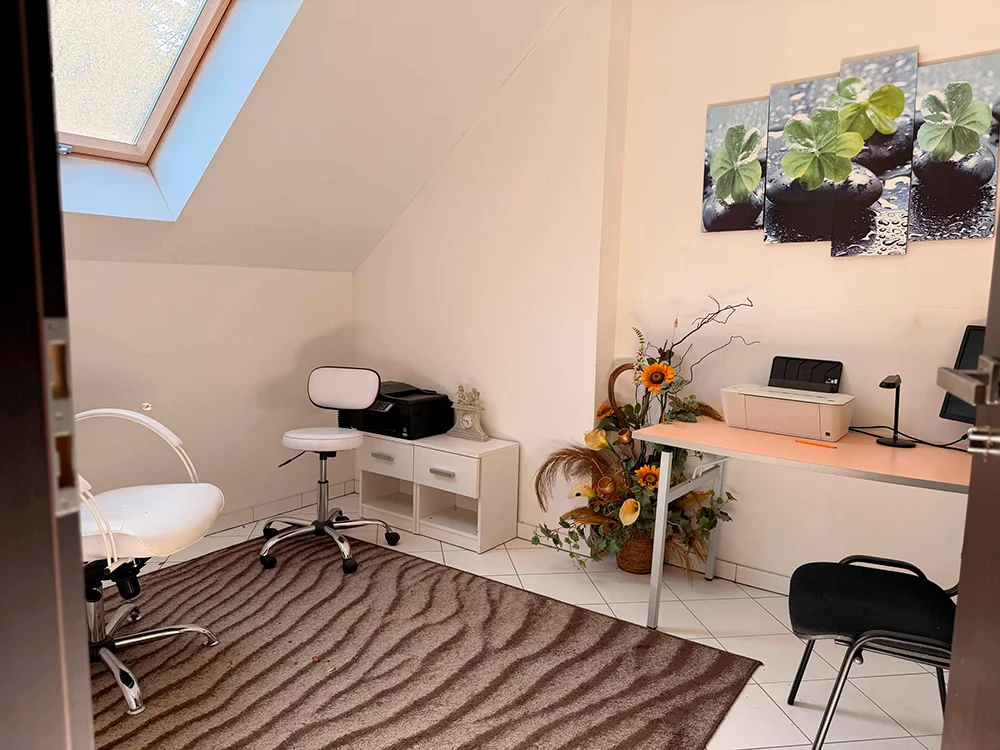
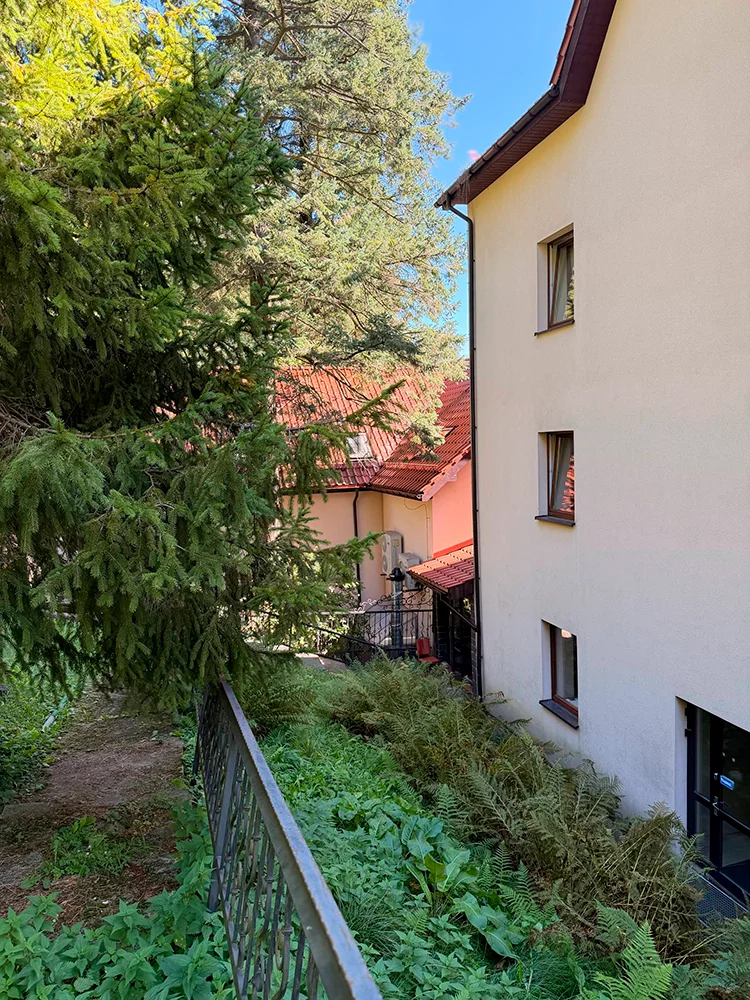
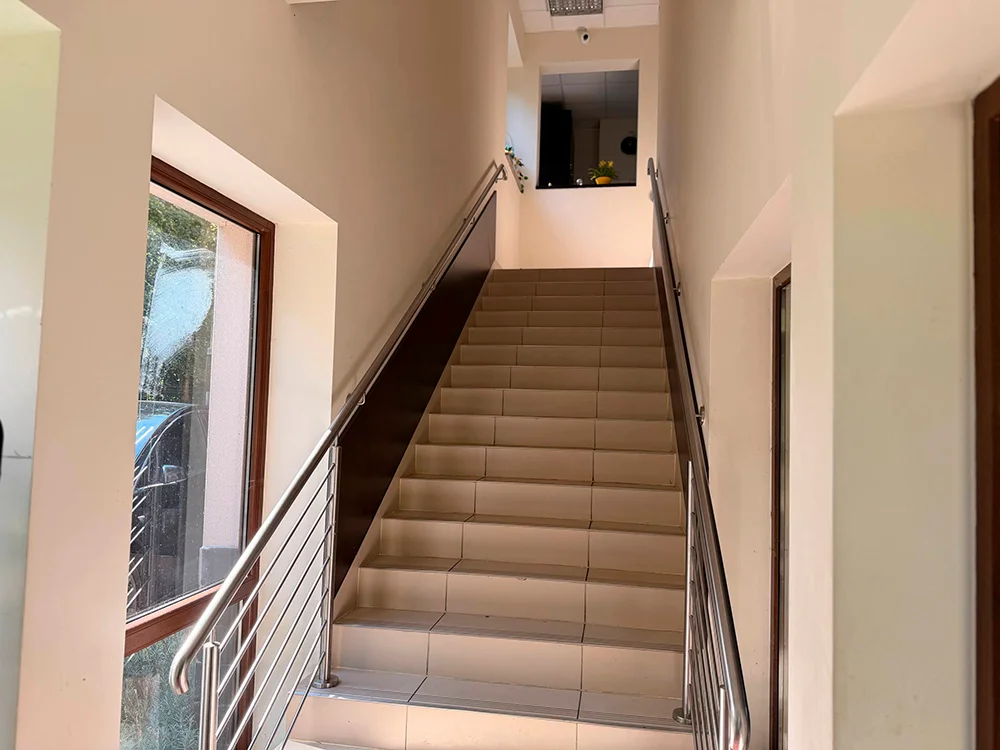
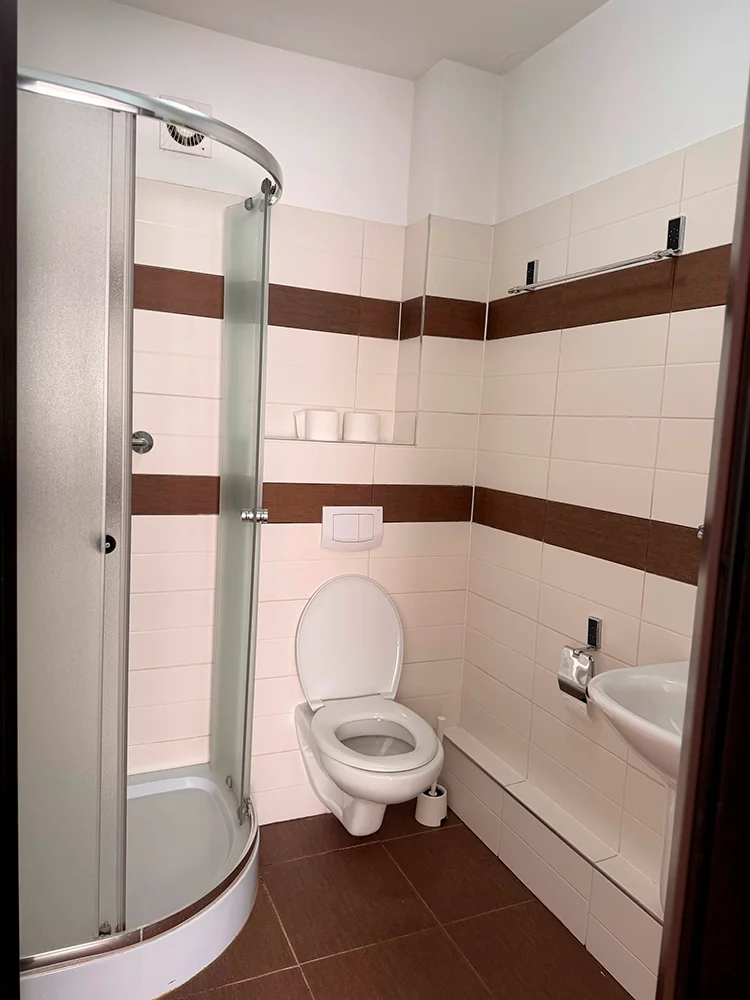
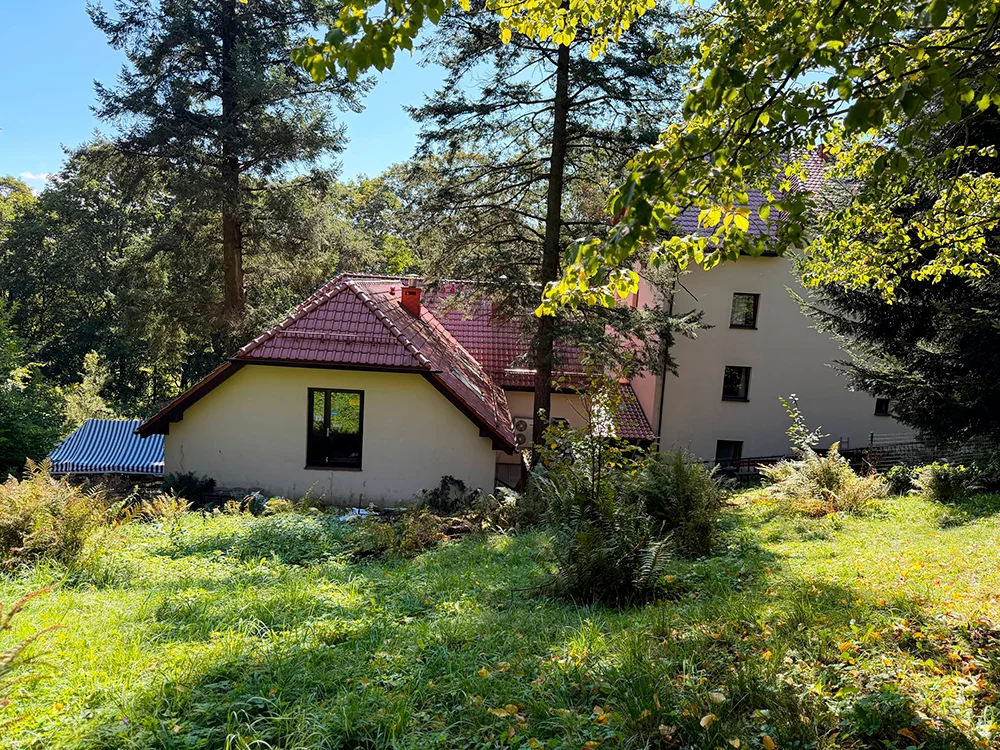
At Renessans, accommodation is organised so that patients can undergo treatment calmly, confidentially, and under the supervision of specialists. Relatives often worry not only about the treatment programme but also about everyday matters: where the person will live, who will be nearby, whether it will be safe, what the day will be like, and if it's possible to get a consultation before admission. It's important to answer these questions immediately because clarity helps the family make a decision about treatment.
The patient is in an environment where there is therapeutic support, routine, and supervision. This is particularly important for individuals who cannot cope independently, frequently relapse, hide their use, or are in an emotionally unstable state.
The consultation at the centre and accommodation during treatment are handled with respect for the patient's personal information. For many families, this is crucially important, especially if treatment is being arranged from another country.
Before enrolment, you can receive a consultation to clarify accommodation conditions, the programme format, timelines, arrival procedures, and specific circumstances. A specialist will help you understand if inpatient rehabilitation is suitable for your particular case.
ОТЛИЧНО на основании 23 отзывы
 Опубликовано на Google
 Алина сергееваМоя мама проходила реабилитацию от алкогольной зависимости. Наша семья долгое время жила с этой проблемой, и только здесь мы получили реальную помощь. Специалисты подходят к работе глубоко и внимательно, помогают не только самому человеку, но и его близким. Мы увидели изменения, которые казались невозможными. Спасибо за поддержку и профессионализм. Ребята вы лучшие. Низкий вам поклон и благодарность 🙏Опубликовано на Google
 Давид ЗападинскийЭто место изменило мою жизнь, здесь я обрёл счастье и разобрался с причинами употребления. Супер клиника. Рекомендую🫶🏻Опубликовано на Google
 Юрко ГавриленкоЦентир Бомба дуже в дячний Терапефтам Консультантам самий лутший Рехаб ❤️Опубликовано на Google
 Yana HlyvkoРекомендую)Опубликовано на Google
 Witalij TenkowPolecam ten ośrodek !Опубликовано на Google
 Michał GlywkoОчень благодарен центру «Ренессанс» за поддержку и профессиональный подход. Тёплая атмосфера, внимательные специалисты и настоящая помощь людям, которые хотят изменить свою жизнь. Чувствуется забота, структура и глубокая работа над восстановлением. Рекомендую тем, кто ищет реальную реабилитацию, а не просто слова.Опубликовано на Google
 Олександр ЗападинскийНедавно приезжал в реабилитационный центр, чтобы навестить друга, и остался под большим впечатлением. В центре очень тёплая, спокойная и безопасная атмосфера. Чисто, уютно, всё организовано чётко и профессионально. Особенно порадовало отношение к пациентам — с уважением, без давления и осуждения. Видно, что здесь работают люди, которым действительно не всё равно. Друг заметно изменился в лучшую сторону. Спасибо команде центра за такую работу.Опубликовано на Google
 Andrei NeudakhОтличный реабилитационный центр с отличными терапевтами. Много интересного в программе, индивидуальный подход и уютная атмосфера!
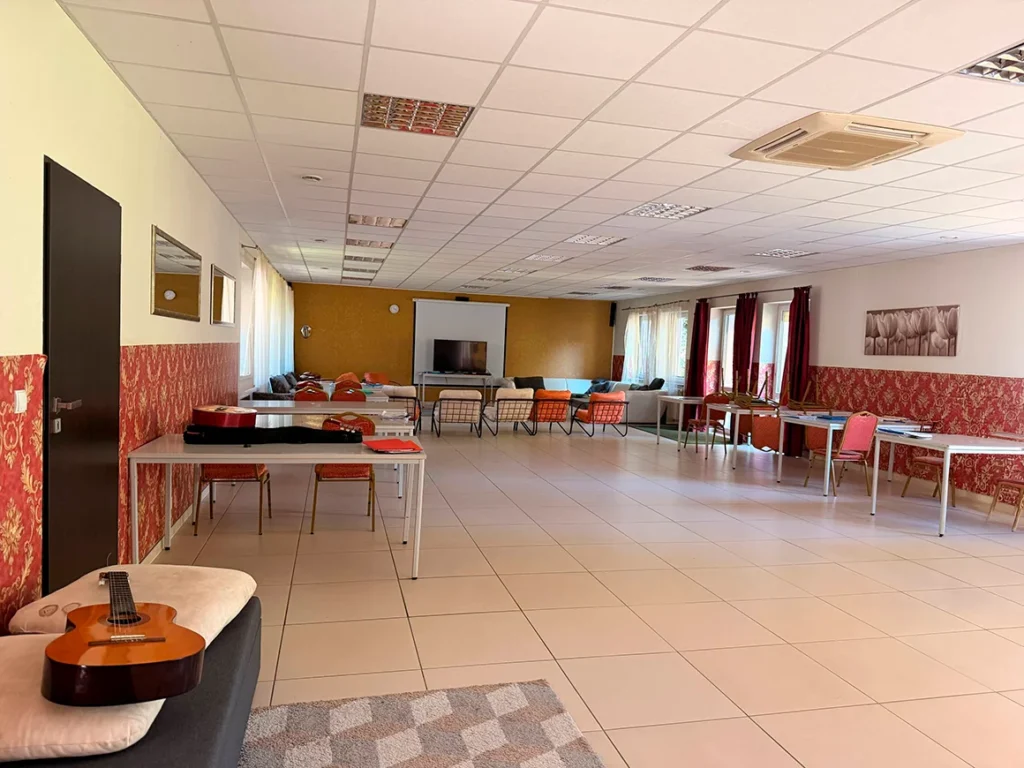
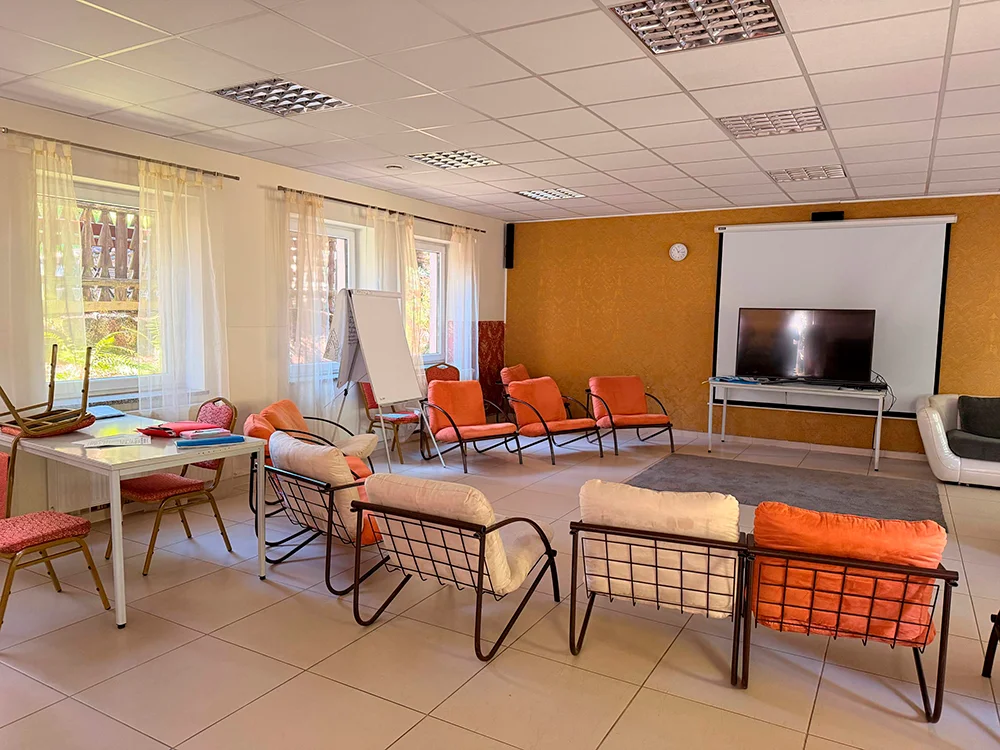
Patients live in a comfortable environment with double rooms, regular meals, cleanliness, relaxation areas, a therapeutic atmosphere, and specialist support.
Staying in the centre helps you temporarily step away from your usual environment, which may contain triggers, conflicts, access to substances, or peer pressure. This reduces the risk of relapse and helps you focus on recovery.
Yes. The accommodation is suitable for patients undergoing treatment for alcohol, drug, gambling and other forms of addiction, if they require inpatient rehabilitation.
Yes. Relatives can receive consultations, clarify living conditions, the treatment format, admission procedures, and organisational matters.
No. A comfortable environment on its own does not cure addiction. It creates a foundation for therapy, routine, observation, addressing the causes of addiction, and forming a new way of life.
Yes. The centre is located in Poland and accepts patients who require residential rehabilitation. It's best to discuss documents, timelines, and admission arrangements in advance before your arrival.
If a person loses control, has a breakdown, hides their use, struggles at home, or if the family can no longer manage the situation, inpatient rehabilitation can be a safe first step.