
Тяга к игре редко связана только с желанием выиграть. За ней могут стоять тревога, одиночество, внутреннее напряжение и потребность почувствовать контроль.
В Renessans помогают понять причины игровой зависимости и сформировать устойчивую жизнь без ставок.
ОТЛИЧНО на основании 23 отзывы
 Опубликовано на Google
 Алина сергееваМоя мама проходила реабилитацию от алкогольной зависимости. Наша семья долгое время жила с этой проблемой, и только здесь мы получили реальную помощь. Специалисты подходят к работе глубоко и внимательно, помогают не только самому человеку, но и его близким. Мы увидели изменения, которые казались невозможными. Спасибо за поддержку и профессионализм. Ребята вы лучшие. Низкий вам поклон и благодарность 🙏Опубликовано на Google
 Давид ЗападинскийЭто место изменило мою жизнь, здесь я обрёл счастье и разобрался с причинами употребления. Супер клиника. Рекомендую🫶🏻Опубликовано на Google
 Юрко ГавриленкоЦентир Бомба дуже в дячний Терапефтам Консультантам самий лутший Рехаб ❤️Опубликовано на Google
 Yana HlyvkoРекомендую)Опубликовано на Google
 Witalij TenkowPolecam ten ośrodek !Опубликовано на Google
 Michał GlywkoОчень благодарен центру «Ренессанс» за поддержку и профессиональный подход. Тёплая атмосфера, внимательные специалисты и настоящая помощь людям, которые хотят изменить свою жизнь. Чувствуется забота, структура и глубокая работа над восстановлением. Рекомендую тем, кто ищет реальную реабилитацию, а не просто слова.Опубликовано на Google
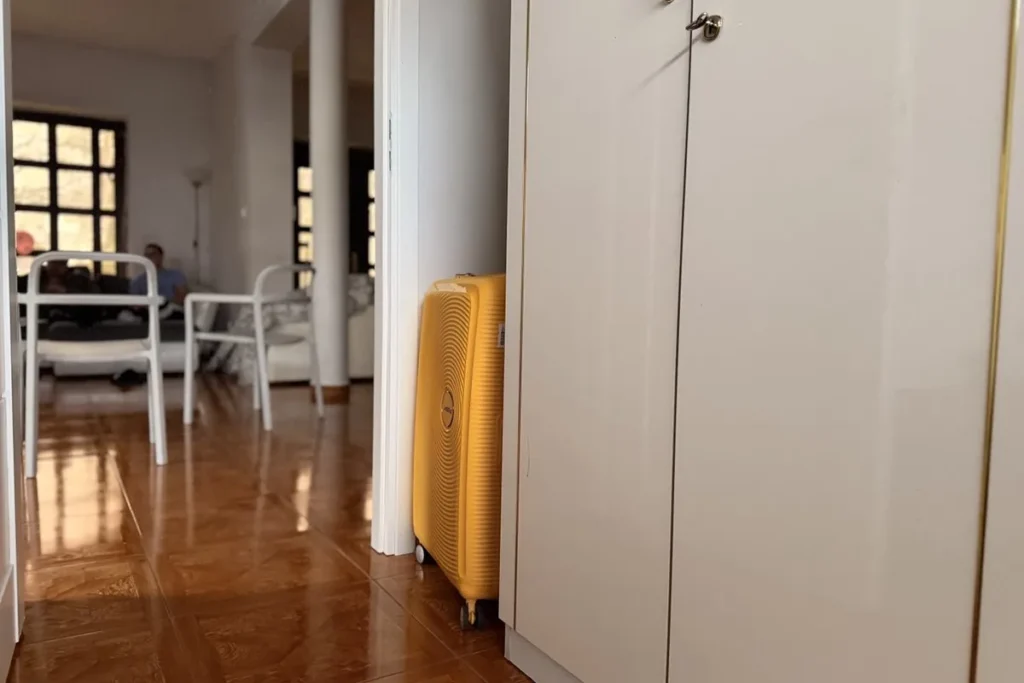
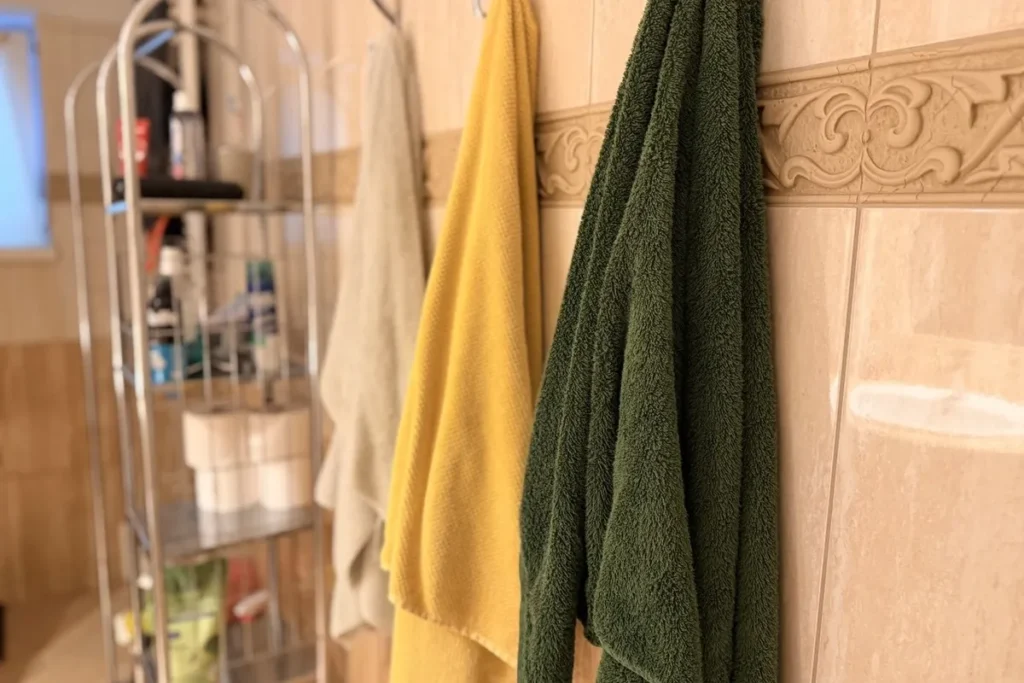
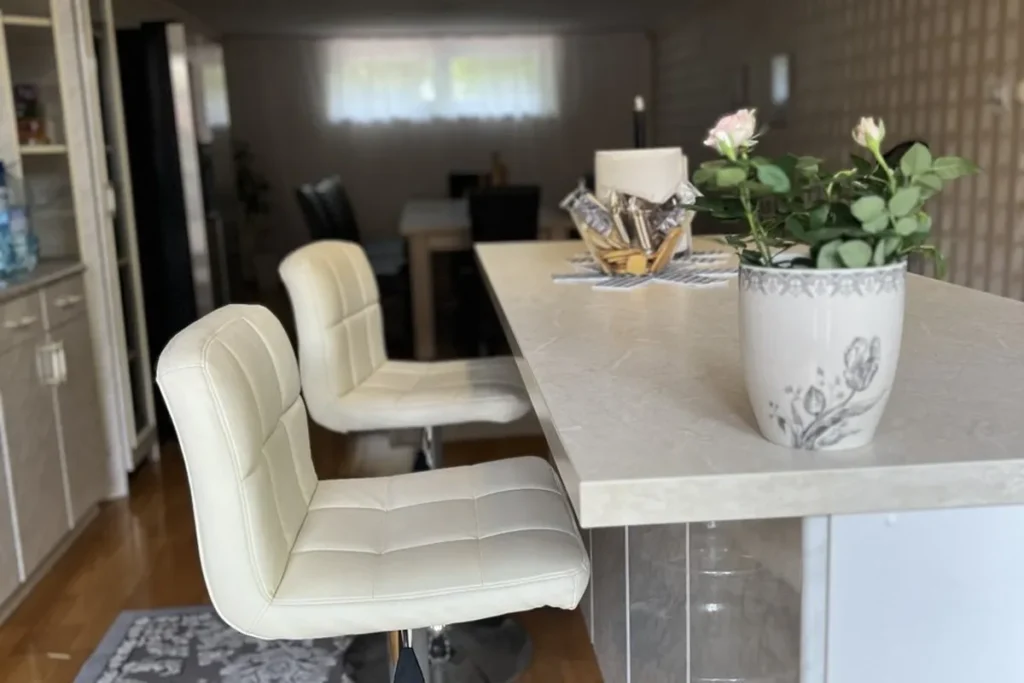
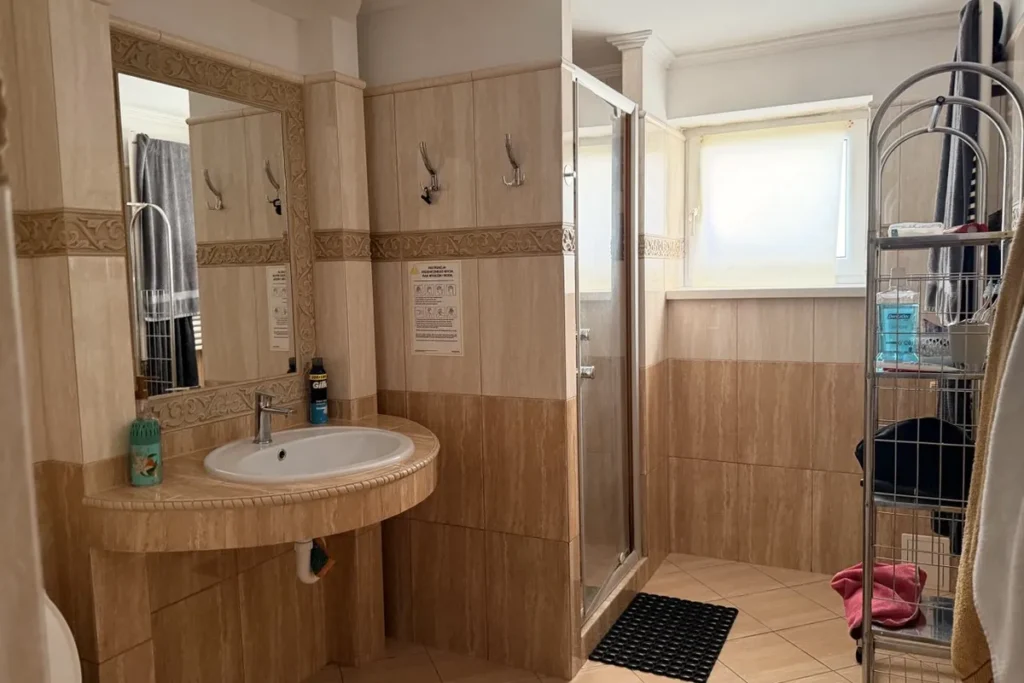
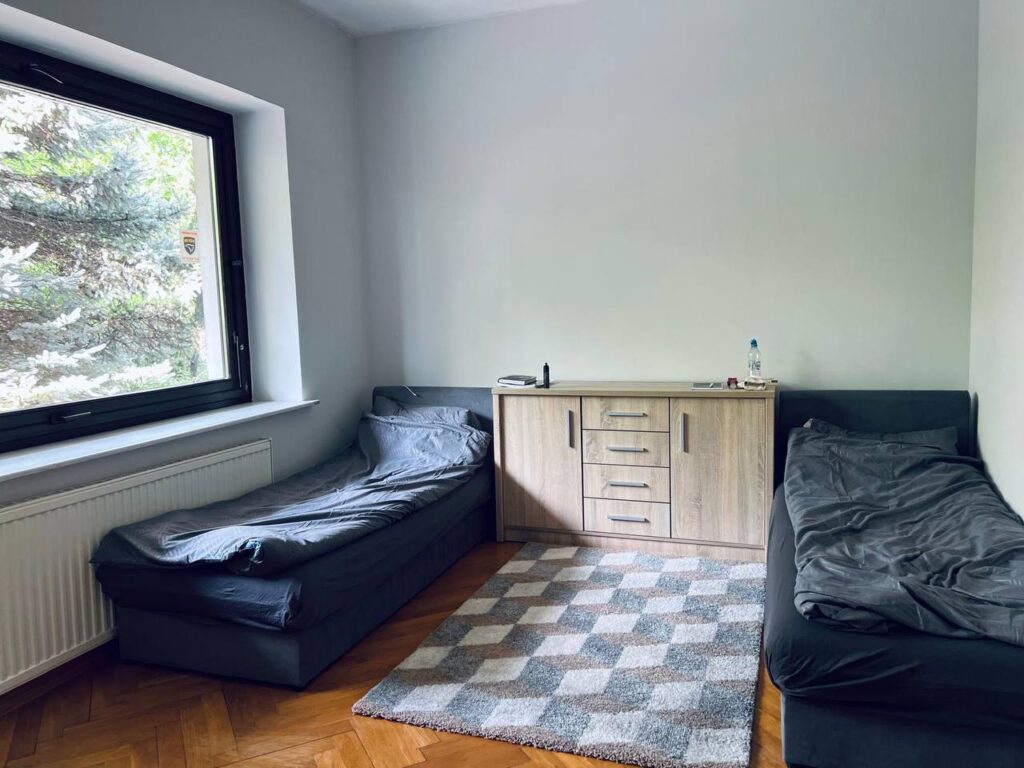
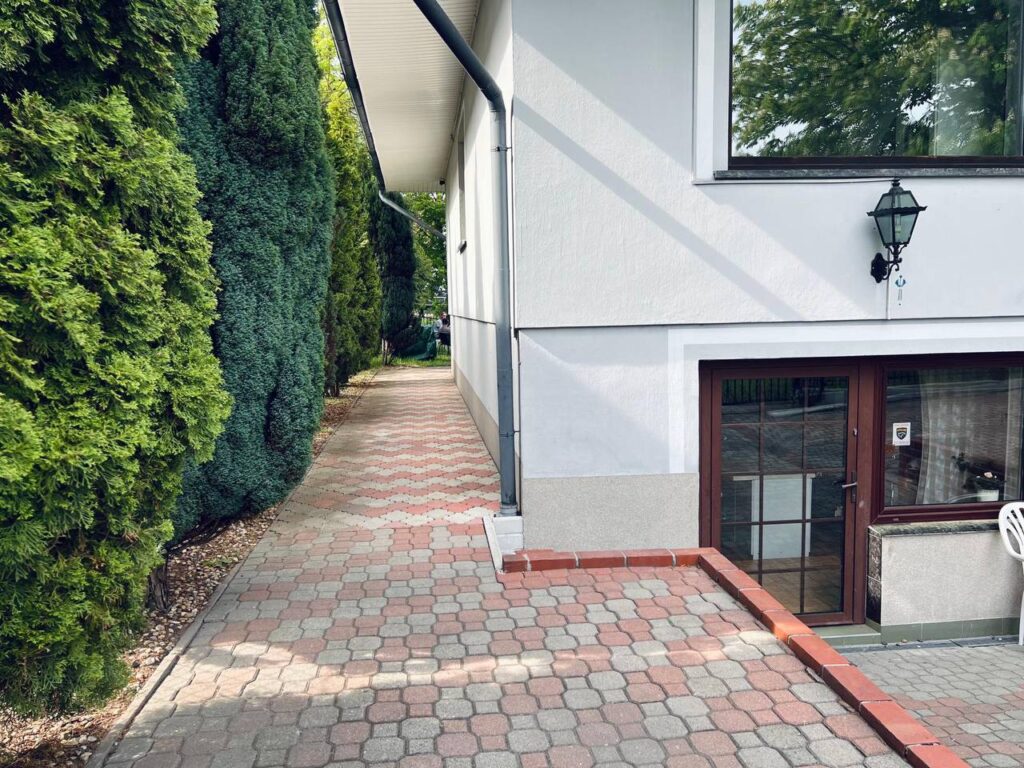
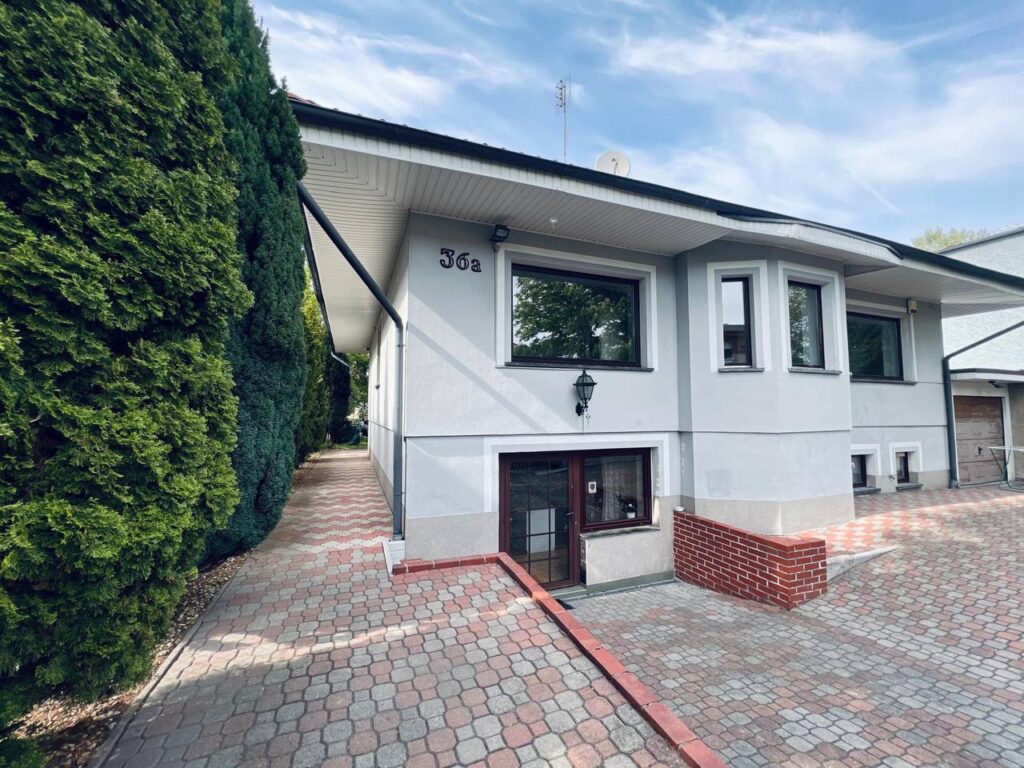
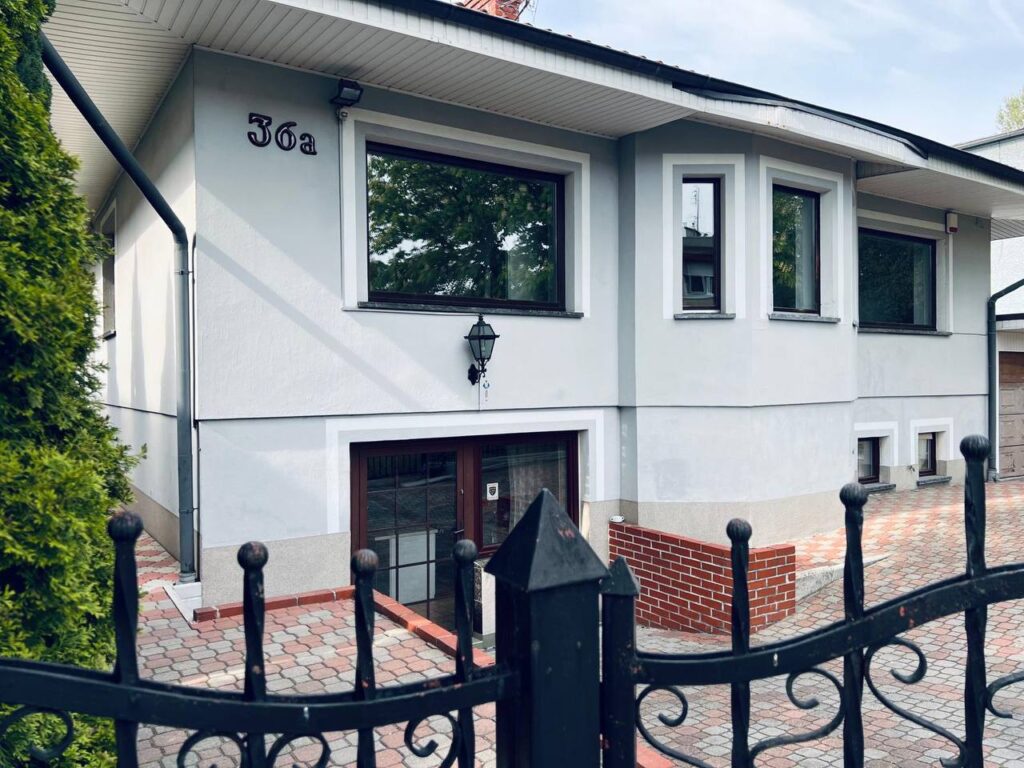
 Олександр ЗападинскийНедавно приезжал в реабилитационный центр, чтобы навестить друга, и остался под большим впечатлением. В центре очень тёплая, спокойная и безопасная атмосфера. Чисто, уютно, всё организовано чётко и профессионально. Особенно порадовало отношение к пациентам — с уважением, без давления и осуждения. Видно, что здесь работают люди, которым действительно не всё равно. Друг заметно изменился в лучшую сторону. Спасибо команде центра за такую работу.Опубликовано на Google
 Andrei NeudakhОтличный реабилитационный центр с отличными терапевтами. Много интересного в программе, индивидуальный подход и уютная атмосфера!
Азартные игры дают эмоциональное возбуждение, надежду и временное облегчение. Постепенно человек начинает использовать игру, чтобы изменить своё внутреннее состояние или уйти от сложных переживаний.
Игровая зависимость — это не слабость характера. Игра может выполнять определённую психологическую функцию:






Напряжение или сложная ситуация → желание сыграть → эмоциональное возбуждение и надежда → проигрыш или краткое облегчение → тревога, вина и желание отыграться → новая ставка.
Со временем человек играет уже не ради удовольствия. Игра становится способом избавиться от напряжения, вернуть потерянные деньги или снова почувствовать надежду.
При игровой зависимости человеку становится сложнее объективно оценивать вероятность выигрыша, контролировать импульс и учитывать последствия своих решений.
Зависимость поддерживают характерные мысли:
Случайный выигрыш может восприниматься как подтверждение особой стратегии или способности предсказывать результат. Человек начинает видеть закономерность там, где результат определяется случайностью.
Проигрыш не всегда останавливает игру. Он может усиливать тягу, потому что человек пытается немедленно вернуть деньги и уменьшить чувство вины.
Постепенно ставки занимают всё больше времени и внимания. Работа, отношения, отдых и увлечения теряют значение, а мысли концентрируются на деньгах, долгах и следующей игре. Последствия усиливают стыд и негативное восприятие себя. Человек начинает думать не «у меня возникла проблема», а «я слабый» или «я всё разрушил». Это внутреннее напряжение может снова провоцировать игру.
Лечение направлено не только на прекращение ставок, но и на понимание внутренних причин игромании, изменение зависимого мышления, восстановление отношений и создание новой модели жизни.
В программе зависимость рассматривается как сформировавшийся способ справляться с чувствами и жизненными трудностями, а не как характеристика личности человека.
Человек учится замечать ситуации, которые вызывают желание играть: стресс, конфликт, одиночество, доступ к деньгам, рекламу ставок, алкоголь или финансовые трудности. Когнитивно-поведенческая работа помогает проверить убеждения об удаче, отыгрыше и контроле и увидеть реальные последствия каждого решения.
Во время терапии исследуется, что находится за зависимым поведением:
Задача терапии — понять не только почему человек играет, но и какую потребность он пытается удовлетворить с помощью азарта.
Игровая зависимость часто формирует цикл:
зависимое действие → стыд, тревога и вина → убеждение «я слабый» или «я — проблема» → новое внутреннее напряжение → повторение игры.
В терапии человек постепенно формирует другое отношение:
Психологическая работа дополняется конкретными действиями:
Человек постепенно определяет, что для него действительно важно, на какие ценности он хочет опираться и чем может заменить зависимое поведение.
Программа строится на принципах:
Цель лечения — восстановить внутреннюю устойчивость, отношения, финансовые границы и способность получать удовлетворение вне азартных игр.
Проигрыш может усиливать желание отыграться. Человеку кажется, что следующая ставка позволит вернуть деньги, хотя обычно это приводит к новым потерям.
Да. Игровое расстройство относится к поведенческим зависимостям. Оно проявляется потерей контроля, ростом значения игры и её продолжением несмотря на финансовые, семейные и психологические последствия.
Некоторым людям удаётся остановиться на определённый период. Но при повторных срывах, долгах, скрытности, сильной тяге и потере контроля рекомендуется профессиональная помощь.
Да. Психотерапия помогает распознавать триггеры, корректировать ошибочные убеждения, работать с внутренними причинами зависимости и формировать план профилактики срыва.
На первом этапе финансовые ограничения могут снизить риск новой ставки. Конкретные меры лучше согласовать с человеком, его близкими и специалистом.
Да. Близкий человек может первым получить консультацию, узнать, как установить финансовые границы и предложить помощь без угроз, унижения и постоянного спасательства.
Срочно обращаться за помощью необходимо, если на фоне долгов, проигрыша или семейного конфликта человек говорит о самоубийстве, самоповреждении или представляет опасность для себя и окружающих.
Если человек скрывает ставки, накапливает долги, пытается отыграться и продолжает играть несмотря на последствия, не стоит ждать дальнейшего ухудшения, нужна помощь специалиста.
Специалист Renessans поможет оценить ситуацию, определить причины игровой зависимости и подобрать подходящий формат лечения.